
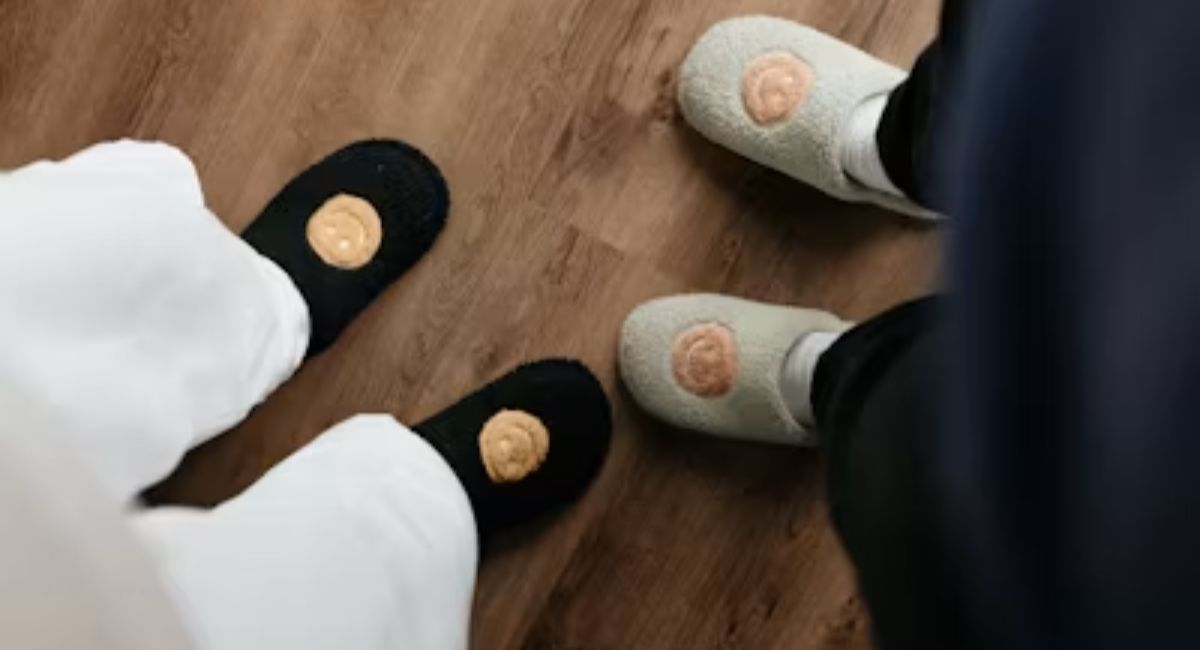
My uncle Raymond is 61 and has lived with type 2 diabetes for close to twelve years. A few months ago, he told me something that stuck with me. He said he wakes up around 2 AM almost every night with a burning feeling in his feet, like he stepped on hot sand. Sometimes it’s tingling. Sometimes his feet just feel numb, like they belong to someone else. He’d get up, pace around the kitchen, and try to shake off the sensation before going back to bed.
When he mentioned what he was wearing around the house, I realized the problem right away. His slippers were old, flat, and had zero cushioning. That’s a common story. A lot of people searching for the best diabetic slippers 2026 to stop foot pain and numbness are dealing with exactly what Raymond went through. The wrong footwear at home can quietly make diabetic nerve pain worse, night after night, without anyone realizing why.
Before jumping into medication or other treatments, many people want to try something simpler first: supportive footwear that actually protects the feet instead of ignoring them.
What Is Diabetic Neuropathy in the Feet?
Diabetic neuropathy is nerve damage caused by prolonged high blood sugar. Think of your nerves like electrical wires running through your body. When blood sugar stays elevated for a long time, it slowly damages the coating around those wires. The signal still tries to get through, but it gets scrambled along the way.
That’s why people describe such a strange mix of sensations. Sometimes it’s burning. Sometimes it’s numbness. Sometimes both at the same time, which sounds contradictory but makes sense once you understand the “wiring” is damaged, not just switched off.
Feet are usually affected first because the nerves running to your toes and soles are the longest in your body. Longer nerves are more vulnerable to damage, so symptoms tend to start at the feet and slowly move upward if blood sugar isn’t managed well.
Common symptoms include:
- A burning or hot sensation, especially at night
- Tingling, like pins and needles
- Numbness or reduced feeling
- Sharp, stabbing pains
- Increased sensitivity to touch
According to the Mayo Clinic, diabetic neuropathy is one of the most common complications of diabetes, and foot-related nerve damage is often the first noticeable sign. Understanding this damage is the first step before you start looking at what the best diabetic slippers 2026 have to offer.
Why the Right Slippers Matter for Diabetic Nerve Pain
Here’s something most people don’t think about: feet with neuropathy often can’t “feel” pressure or friction the way healthy feet can. That means a slipper that’s slightly too tight, or has a seam rubbing in the wrong spot, might cause damage before you even notice discomfort.
Poor footwear increases pressure points, especially under the ball of the foot and around the toes. Over time, that pressure can lead to calluses, blisters, or worse, especially since diabetic feet often heal more slowly due to circulation issues.
Cushioning and arch support genuinely make a difference for burning feet diabetes symptoms. Good cushioning spreads pressure evenly across the foot instead of concentrating it in one spot. Arch support keeps the foot stable, which reduces unnecessary strain on nerves that are already sensitive. This is exactly why choosing from the best diabetic slippers 2026 rather than generic house slippers makes a real difference.
There’s also a circulation connection. Nerve health and blood flow are closely linked. Tight slippers, elastic bands, or narrow toe boxes can restrict circulation, and reduced circulation makes nerve pain and numbness worse.
A mistake I see constantly: people wear regular house slippers, the flat foam kind from a discount store, thinking any slipper is fine as long as it’s soft. Soft isn’t the same as supportive. That distinction matters a lot once neuropathy is in the picture.
Symptoms You Should Never Ignore
Diabetic neuropathy symptoms exist on a spectrum, and some deserve immediate medical attention rather than a wait-and-see approach. Pay close attention to:
- Burning sensation that disrupts sleep
- Tingling that doesn’t go away during the day
- Numbness that spreads or gets worse
- Sharp, stabbing pain, especially sudden episodes
- Electric shock feelings shooting through the foot or toes
- Increased pain at night, often worse than during the day
- Loss of balance, which raises fall risk significantly
- Reduced sensation, meaning you might not notice cuts, blisters, or sores
If you notice any open sores, unusual swelling, redness, warmth, or a wound that isn’t healing, don’t wait. These can be signs of infection or poor circulation, and they need medical attention right away, not home remedies. If you’re experiencing these symptoms, switching to one of the best diabetic slippers 2026 alongside proper medical care is a reasonable first step.
Best Diabetic Slippers 2026: Stop Foot Pain & Numbness
Choosing the right slippers is one part of a bigger diabetic foot care routine. Good footwear may help manage mild symptoms and improve daily comfort, but it isn’t a cure and it won’t reverse nerve damage on its own. With that in mind, here are the features that actually matter in 2026 when shopping for supportive slippers.
Slipper Feature 1: Memory Foam Cushioning for Pressure Relief
Memory foam molds to the shape of your foot, spreading weight evenly and reducing pressure on sensitive spots. This is especially helpful for people who feel discomfort under the ball of the foot or heel.
Slipper Feature 2: Wide Toe Box to Prevent Nerve Compression
A narrow toe box squeezes nerves and blood vessels between the toes. A wide toe box gives your toes room to sit naturally, which reduces compression and irritation.
Slipper Feature 3: Orthotic Arch Support
Built-in arch support keeps the foot properly aligned and reduces strain on the plantar nerves. This also helps with balance, which matters if numbness has affected your sense of foot placement.
Slipper Feature 4: Seamless Interior to Avoid Friction
Internal seams can rub against sensitive skin without you noticing, especially if sensation is reduced. Seamless interiors lower the risk of blisters and skin breakdown.
Slipper Feature 5: Adjustable Straps for Swollen Feet
Diabetic feet can swell throughout the day. Adjustable straps or hook-and-loop closures let you customize the fit instead of forcing your foot into a rigid shape.
Slipper Feature 6: Non-Slip Rubber Outsole for Balance
Neuropathy often affects balance because your feet can’t fully sense the ground. A grippy, non-slip outsole reduces the risk of slipping, especially on tile or hardwood floors.
Slipper Feature 7: Breathable, Moisture-Wicking Lining
Moisture buildup increases the risk of fungal infections and skin irritation. Breathable linings help keep feet dry, which matters more for diabetics than most people realize.
Slipper Feature 8: Lightweight Design to Reduce Fatigue
Heavy footwear makes your feet work harder with every step. A lightweight slipper reduces fatigue, which is helpful if you’re already dealing with reduced strength or sensation.
Slipper Feature 9: Easy-On, Easy-Off for Limited Mobility
Bending down to fasten laces or buckles isn’t always easy, especially for older adults or anyone with limited flexibility. Slip-on designs with wide openings make daily use far more practical.
Quick Comparison: Slipper Types by Price Range and Best Use
When people ask me where to start with the best diabetic slippers 2026, I usually point them to this quick breakdown first.
| Slipper Type | Price Range (USD) | Best For | Key Feature |
|---|---|---|---|
| Basic Cushioned Slipper | $15 – $25 | Mild tingling, everyday indoor use | Soft foam sole |
| Memory Foam Slipper | $25 – $40 | Burning feet, pressure relief | Contoured cushioning |
| Orthotic Support Slipper | $35 – $55 | Arch pain, balance issues | Built-in arch support |
| Adjustable Diabetic Slipper | $40 – $65 | Swollen feet, sensitive skin | Strap closure, seamless interior |
| Premium Therapeutic Slipper | $60 – $90+ | Chronic neuropathy, all-day wear | Combines memory foam, orthotic support, and non-slip sole |
Note: Prices vary by brand, retailer, and season. These ranges are general estimates to help you budget, not a recommendation of specific products.
Slippers on the lower end of the price range can still work well if they cover the essentials, like a wide toe box and non-slip sole. The higher price usually reflects better materials and longer-lasting cushioning, not necessarily “more medical benefit.” Don’t assume expensive automatically means better for your specific symptoms.
Best Diabetic Slippers 2026: Stop Foot Pain & Numbness Naturally
There’s no slipper that eliminates nerve pain completely, and anyone claiming that isn’t being honest with you. What the best diabetic slippers 2026 can do is reduce unnecessary pressure, protect your skin, and make daily movement more comfortable. For many people, that translates into fewer flare-ups and better sleep. Results vary depending on how well-managed your diabetes is overall, so slippers work best as one piece of a bigger foot care puzzle.
Week-by-Week Routine for Beginners
Week 1
Start doing daily foot checks, even just a quick visual scan for redness, cuts, or blisters. Track your blood sugar consistently. Begin wearing one of the best diabetic slippers 2026 indoors instead of going barefoot.
Week 2
Introduce short walking sessions around the house using your new slippers. If you have more than one pair, test different arch support levels to see what feels best.
Week 3
Focus on healthy meals that support stable blood sugar. Add gentle foot stretching to your routine. Prioritize better sleep habits, since poor sleep can amplify pain perception.
Week 4
Evaluate your progress honestly. If burning, tingling, or numbness hasn’t improved, or has gotten worse, schedule a visit with your healthcare provider.
Real-Life Experiences and Practical Observations
One mistake I see beginners make constantly is buying slippers a size too small, thinking a snug fit means better support. It doesn’t. Tight slippers actually make neuropathy symptoms worse by restricting circulation and compressing nerves.
People who switch to properly cushioned, wide-toe slippers often report small, gradual improvements. Not overnight miracles, just steadier days and fewer painful nights. That’s a realistic expectation, and it’s worth setting from the start. Most people I’ve talked to who found the best diabetic slippers 2026 for their needs say the biggest change was fewer painful nights, not a total disappearance of symptoms.
What surprises a lot of people is how much of a difference non-slip soles make. Once balance issues set in from neuropathy, a simple grippy sole can prevent a lot of near-falls, especially getting up in the middle of the night.
Consistency matters more than people expect. Wearing supportive slippers occasionally doesn’t do much. Wearing them every day, especially indoors where bare feet are most common, is what leads to noticeable comfort over time.
Common Mistakes to Avoid
- Ignoring numbness because it “doesn’t hurt”
- Walking barefoot around the house
- Wearing tight or narrow slippers that pinch the toes
- Letting blood sugar control slide
- Skipping daily foot inspections
- Buying cheap slippers with no real support just because they’re inexpensive
- Waiting too long to see a doctor when symptoms worsen
- Not researching the best diabetic slippers 2026 before buying and settling for the first cheap option
Additional Lifestyle Tips
Alongside choosing the best diabetic slippers 2026, these daily habits support overall foot health.
- Maintain a healthy weight to reduce pressure on your feet
- Stay hydrated throughout the day
- Get regular, moderate exercise like walking or swimming
- Wear proper footwear both indoors and outdoors, not just one or the other
- Inspect your feet daily for cuts, blisters, or changes in skin color
- Manage stress, since it can affect blood sugar levels
- Keep up with regular diabetes checkups and A1C monitoring
- Practice good sleep hygiene to help your body manage pain better
For a deeper look at nighttime symptoms specifically, I also covered a full guide on diabetic cold feet at night that pairs well with choosing the right slippers.
Frequently Asked Questions (FAQ)
Can the right slippers reduce diabetic nerve pain?
The best diabetic slippers 2026 can help reduce pressure, friction, and irritation, which may ease mild symptoms for some people. They don’t cure nerve damage.
What is the fastest way to relieve diabetic nerve pain at home?
Switching to supportive, cushioned footwear, checking blood sugar levels, and avoiding tight or restrictive shoes can bring some relief. For more remedies, see this guide on diabetic nerve pain in feet home remedies.
Are memory foam slippers good for diabetic neuropathy?
Yes, memory foam distributes pressure evenly, which reduces strain on sensitive areas of the foot.
Is walking in supportive slippers good for diabetic neuropathy?
Light walking with proper support can improve circulation and reduce stiffness, as long as your feet are inspected regularly for damage.
Which features should I look for in diabetic slippers 2026?
Look for memory foam cushioning, a wide toe box, arch support, seamless interiors, non-slip soles, and breathable materials.
Should I wear slippers to bed with diabetic nerve pain?
Some people find lightweight, breathable slippers or socks help with nighttime cold or discomfort. If you’re curious about sleeping with socks specifically, check out can diabetics sleep with socks on.
Are compression socks and slippers used together?
Yes, many people combine compression socks with roomy, non-restrictive slippers, but check with your doctor first since compression isn’t right for everyone.
When should I see a doctor for foot pain?
See a doctor if you notice open sores, worsening numbness, signs of infection, sudden swelling, or pain that disrupts daily life or sleep. Even the best diabetic slippers 2026 can’t replace medical attention in these situations.
Final Thoughts
Managing diabetic nerve pain isn’t about one product fixing everything overnight. It’s about small, consistent habits that add up over time, and choosing from the best diabetic slippers 2026 is a practical place to start. This kind of footwear won’t replace medical care, but it can genuinely make daily life more comfortable while you work on the bigger picture of blood sugar management and foot health. Pay attention to your feet, don’t ignore warning signs, and build habits you can actually stick with.
Medical Disclaimer: This article is for informational purposes only and is not a substitute for professional medical advice, diagnosis, or treatment. Readers experiencing persistent diabetic nerve pain, numbness, ulcers, infections, poor circulation, or worsening symptoms should consult a qualified healthcare provider before trying new home remedies or footwear.