
Bananas are one of the most confusing fruits for anyone managing blood sugar. One day they feel like a safe, healthy snack. The next, a doctor mentions prediabetes, and suddenly that same fruit feels like a puzzle. Understanding the banana glycemic index is what turns that confusion into an actual strategy.
Bananas are not off-limits for diabetics. But ripeness changes how your body handles them, and that single detail matters more than most people realize. If you have ever wondered whether to grab the green bunch or the spotted one, this guide walks through what the banana glycemic index really means and how to use it.
What Is Glycemic Index and Why the Banana Glycemic Index Matters
Glycemic index is a number that shows how fast a food raises blood sugar compared to pure glucose. Foods are ranked on a scale of 0 to 100.
Low GI: 55 or under
Medium GI: 56 to 69
High GI: 70 and above
Picture two doors leading into your bloodstream. A high-GI food kicks the door wide open, and sugar rushes in all at once. A low-GI food opens that door slowly, so sugar trickles in over a longer stretch of time.
For someone managing diabetes, that trickle matters. A slow rise in blood sugar is easier for the body to handle than a sharp spike, especially when insulin sensitivity is already an issue. According to the American Diabetes Association, checking your blood glucose after eating and pairing meals with protein or fat is one of the most reliable ways to manage post-meal blood sugar.
The banana glycemic index is not fixed. It shifts as the fruit ripens, which is exactly where this gets useful.
Banana Glycemic Index: Ripe vs Unripe Banana Explained
A banana is not one fixed food. It changes chemically as it ripens, and that change directly affects the banana glycemic index score.
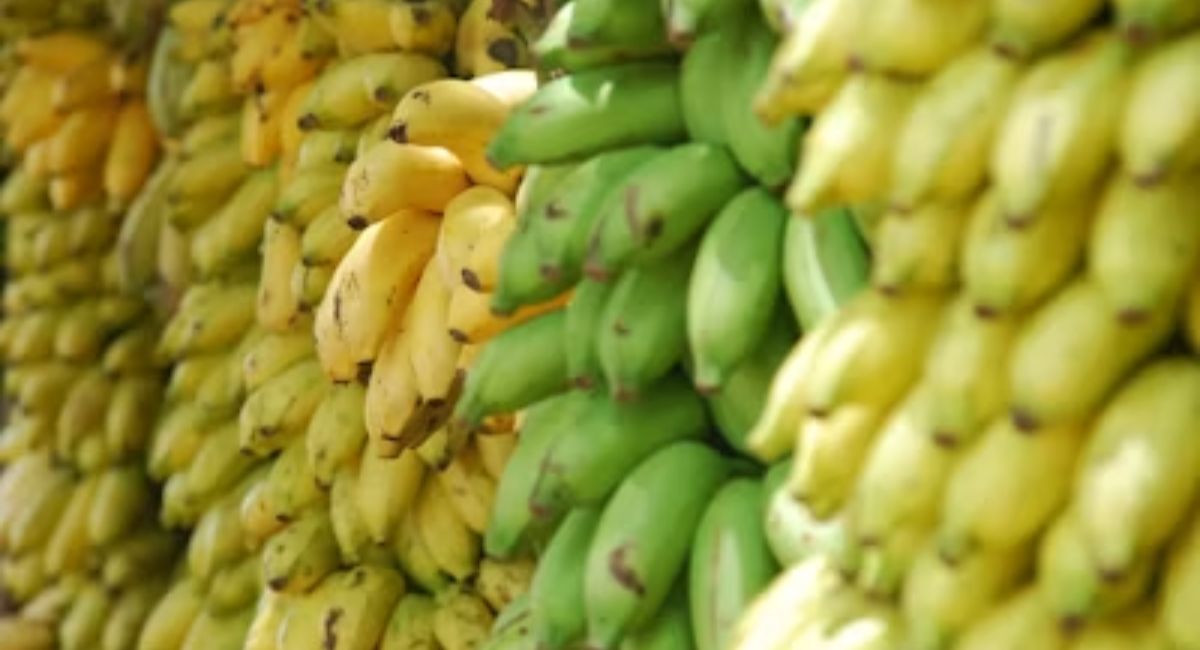
An unripe, green banana sits in the low range of the banana glycemic index, generally somewhere between 30 and 50 depending on the variety and how green it actually is. A fully ripe banana, the kind with brown spots and a soft texture, climbs into the medium range of the banana glycemic index, often between 50 and 65.
The reason comes down to starch. Green bananas are packed with resistant starch, a carbohydrate your body digests slowly, almost like fiber. As a banana ripens, enzymes convert that resistant starch into simple sugars like glucose, fructose, and sucrose.
That is literally why a ripe banana tastes sweeter than a green one. The starch has turned to sugar, and the banana glycemic index climbs right along with it.
Is Ripe or Unripe Banana Better? A Closer Look at the Banana Glycemic Index
Based on the banana glycemic index alone, unripe or slightly underripe bananas are the better pick for blood sugar control. The resistant starch slows digestion, so glucose enters your bloodstream more gradually.
That does not mean a ripe banana is dangerous. It means portion size and context matter more when you choose the sweeter, softer option.
Nutritional Comparison: Ripe Banana vs Unripe Banana
Ripeness does not just shift sugar content and the banana glycemic index score. It changes the whole nutritional profile in ways that matter for blood sugar.
Unripe (green) banana:
Higher in resistant starch
Lower natural sugar
Slightly firmer, starchier texture
Feeds beneficial gut bacteria, similar to fiber
Slower digestion overall
Ripe (yellow, spotted) banana:
Higher natural sugar content
Lower resistant starch
Softer, sweeter, easier to digest quickly
Higher antioxidant activity as it ripens
Faster impact on blood sugar
Both stages still offer potassium, vitamin B6, and a decent amount of fiber. Neither one is nutritionally empty. The NIDDK’s guidance on diabetes nutrition notes that fruit can absolutely be part of a balanced diabetes eating plan when portions are managed.
The real difference between the two, according to the banana glycemic index, is speed. Green bananas release energy slowly. Ripe bananas release it fast.
Which Banana Is Better for Diabetics? Revisiting the Banana Glycemic Index
Unripe or just-ripe bananas generally cause a gentler blood sugar response than fully ripe, spotted ones. That is the short answer from the banana glycemic index research.
But real life is not that simple. A few things shift the equation:
Portion size. Half a ripe banana affects your blood sugar very differently than a whole one.
What you eat it with. Pairing a banana with protein or healthy fat slows absorption, no matter the ripeness.
Your activity level. Bananas eaten before or after exercise get processed differently than one eaten while sitting at a desk.
Individual variation. Two people with diabetes can eat the exact same banana and see different blood sugar readings. Continuous glucose monitors have made this obvious for a lot of people who tried tracking their own response.
The honest answer is that unripe bananas have an edge on paper. But a ripe banana in a reasonable portion, eaten the right way, can still fit into a diabetic-friendly diet. It comes down to how you build the rest of the plate around it, not the banana glycemic index number alone.
Best Ways for Diabetics to Eat Bananas Safely
A few practical habits make a real difference here.
Stick to half a banana as a starting portion, especially if you are testing your own response for the first time.
Pair it with protein or fat, like a spoonful of peanut butter, a handful of almonds, or plain Greek yogurt. This slows the sugar release significantly, regardless of where the banana falls on the banana glycemic index.
Avoid eating bananas on an empty stomach. Combining them with a meal blunts the spike.
Choose slightly underripe over overripe. A banana with a mostly yellow peel and just a few spots is a solid middle ground between taste and the banana glycemic index impact.
Check your blood sugar two hours after eating, if you use a glucose meter or CGM, to see your personal response. This single habit teaches people more than any general guideline ever could.
Week-by-Week Routine for Adding Bananas Back Into Your Diet
Week 1
Track your baseline blood sugar without bananas. Get a feel for your normal numbers.
Week 2
Introduce a small portion of unripe or just-ripe banana. Test your blood sugar response two hours later and write it down.
Week 3
Experiment with pairing bananas with protein or fat. Compare the readings to week two.
Week 4
Review your notes and look for patterns. If your numbers still run high no matter what you try, bring your log to your doctor or a registered dietitian for personalized advice.
Real-Life Experiences With the Banana Glycemic Index
A lot of people cut out bananas entirely the moment they get a diabetes diagnosis, and that is usually an over correction. Once people actually test their own response, the more common story is that a small portion of a less-ripe banana barely moves the needle, while a large overripe one clearly does.
The biggest surprise for most beginners is how much pairing matters. Eating a banana alone versus eating it with a tablespoon of almond butter can produce a noticeably different reading on a glucose monitor.
That single discovery changes how a lot of people approach fruit in general, not just bananas. Consistency ends up mattering more than any single food choice.
People who track their meals and responses for a few weeks build a much clearer, more personalized picture than anyone following a generic rule ever could. The Mayo Clinic’s diabetes diet guide echoes this: personalized tracking tends to outperform generic food rules.
Common Mistakes People Make With the Banana Glycemic Index
Assuming every banana is equally risky, regardless of ripeness
Eating a whole overripe banana in one sitting
Skipping portion control because “it’s just fruit”
Never checking blood sugar after eating to see your actual response
Cutting bananas out completely without a real reason to
Eating fruit alone on an empty stomach instead of with a meal or snack
Additional Lifestyle Tips for Managing Blood Sugar
Build balanced meals with protein, fiber, and healthy fat at every sitting
Check blood sugar regularly, especially when testing new foods
Stay hydrated throughout the day
Keep up with regular movement or exercise
Read nutrition labels on packaged fruit products, not just fresh fruit
Keep up with routine diabetes checkups and lab work
Manage stress, since cortisol also affects blood sugar levels
Prioritize consistent, quality sleep
If foot health is also part of your diabetes management routine, it is worth reading about diabetic nerve pain in the feet and simple home remedies, since diet and daily foot care often go hand in hand.
Frequently Asked Questions About the Banana Glycemic Index
Is banana safe for diabetics every day?
In moderate portions, yes, for most people. The key is watching ripeness, portion size, and pairing it with protein or fat.
What is the banana glycemic index of a ripe banana vs an unripe banana?
Unripe bananas generally fall in the low range of the banana glycemic index, roughly 30 to 50. Ripe bananas move into the medium range, often 50 to 65, depending on the variety.
How many bananas can a diabetic eat per day?
Most people do fine with half to one small banana per day, but individual tolerance varies. Testing your own blood sugar response is the most reliable way to know your limit. For more detail, see our full guide on can diabetics eat bananas.
Does banana raise blood sugar quickly?
A ripe, overripe banana can raise blood sugar fairly quickly due to its higher natural sugar content. An unripe or just-ripe banana, lower on the banana glycemic index, raises it more slowly.
Are green bananas good for insulin resistance?
Green bananas contain resistant starch, which some research links to improved insulin sensitivity over time. Their place on the banana glycemic index makes them a smarter choice for people managing insulin resistance.
What is the best time to eat a banana for diabetics?
Earlier in the day, paired with a meal or snack containing protein or fat, tends to produce a steadier blood sugar response than eating one late at night on an empty stomach.
Can diabetics eat banana at night?
It is not automatically off-limits, but a small portion paired with protein is a safer choice than a large, overripe banana right before bed.
When should I see a doctor about my blood sugar and diet?
If your blood sugar consistently runs high regardless of the changes you make, or if you notice symptoms like frequent thirst, fatigue, or blurred vision, it is time to check in with your doctor or a registered dietitian.
Final Thoughts on the Banana Glycemic Index
Understanding the banana glycemic index is not about memorizing a number. It is about noticing that ripeness changes everything, and using that knowledge to make smarter, more confident choices at the grocery store.
An unripe or just-ripe banana, eaten in a reasonable portion and paired with protein or fat, can absolutely fit into a diabetes-friendly diet. A very ripe, overripe banana just calls for a little more caution and a smaller portion.
The goal is not perfection. It is building a habit of paying attention, testing your own response, and adjusting from there, using the banana glycemic index as a starting point rather than a strict rule.
Medical Disclaimer: This article is for informational purposes only and is not a substitute for professional medical or nutritional advice, diagnosis, or treatment. Readers with diabetes or blood sugar concerns should consult a qualified healthcare provider or registered dietitian before making changes to their diet, especially if they experience persistent high blood sugar, unexplained symptoms, or other health concerns.