
Tom had eaten a banana with his coffee every single morning for as long as he could remember. It was easy, cheap, and felt healthy.
Then one morning, out of curiosity, he checked his blood sugar an hour after breakfast. The number was higher than he expected. He checked again the next day, same banana, same spike.
That’s when he started asking the question so many people with diabetes eventually ask: what fruits can diabetics eat instead of banana? If you’ve noticed the same pattern after your morning banana, you’re not imagining it, and you’re definitely not alone.
Fruit can feel confusing when you’re managing blood sugar, because fruit is supposed to be “healthy,” yet some choices behave very differently in your body than others. Finding the right fruits for diabetics doesn’t mean giving up fruit altogether. It just means being a little more strategic about which ones you reach for.
Why Bananas Can Spike Blood Sugar
Bananas aren’t “bad.” But they are more concentrated in natural sugar and carbohydrates than a lot of other diabetic friendly fruits, especially once they ripen.
A green, slightly underripe banana behaves differently in your body than a soft, spotty, fully ripe one. As a banana ripens, its starches convert into simple sugars.
That’s part of why a ripe banana tastes sweeter than a green one. It’s also why a ripe banana tends to raise blood sugar faster than most low glycemic fruits.
This connects to something called glycemic index (GI) and glycemic load (GL). Think of glycemic index like a speedometer: it tells you how fast a food raises your blood sugar.
Glycemic load takes that a step further and factors in portion size, so it gives you a more realistic picture of the actual impact on your body. If you want the full breakdown, we’ve covered banana glycemic index for diabetics in more detail.
A medium ripe banana sits in the moderate-to-higher range on both scales, largely because of its carb density in a single serving. This is exactly why so many people start searching for what fruits can diabetics eat instead of banana in the first place.
We’ve also written a full guide on whether diabetics can eat bananas safely, if you want the complete picture before moving on to alternatives.
What Makes a Fruit Diabetes-Friendly?
Not all fruit affects blood sugar the same way, even when the sugar content looks similar on paper. Before you decide what fruits can diabetics eat instead of banana, it helps to understand a few things that separate diabetic friendly fruits from ones more likely to cause a spike:
- Low glycemic index – slower, steadier impact on blood sugar
- Fiber content – fiber slows down how quickly sugar hits your bloodstream
- Portion size – even a “safe” fruit can spike sugar in a big enough serving
- Natural sugar content – some fruits are naturally lower in sugar per serving
- Pairing with protein or fat – adding nuts, seeds, or plain yogurt slows digestion and blunts the spike
No fruit is completely off the table for most people with diabetes. According to the American Diabetes Association, fruit remains an important part of a balanced diet when portions are managed well.
It really comes down to which low sugar fruits for diabetics are easier to work with, and how you eat them.
What to Look for Before Choosing Fruits for Diabetes
Before building your go-to list of fruits for diabetics, it helps to know what you’re actually looking at:
- Glycemic index – lower numbers mean a slower blood sugar rise
- Carbs per serving – total carbohydrate count matters more than most people think
- Fiber-to-sugar ratio – more fiber relative to sugar is generally a better sign
- Fresh vs. dried vs. canned – dried fruit is concentrated sugar in a small package, and canned fruit often comes in syrup
- Fruit juice risks – juice strips out the fiber and leaves mostly sugar, which hits your bloodstream fast
Everyone’s body responds a little differently. The Mayo Clinic recommends working with a registered dietitian if you’re making major changes to your diabetes diet, especially if you’re on insulin or other blood sugar medications.
What Fruits Can Diabetics Eat Instead of Banana? Top 10 Low Sugar Fruits for Better Blood Sugar Control
These ten fruits tend to be gentler on blood sugar than a ripe banana when eaten in reasonable portions. Individual responses still vary, so it’s worth checking your own numbers as you try each one.
What Fruits Can Diabetics Eat Instead of Banana? Top 10 Low Sugar Fruits
If you’ve been asking yourself what fruits can diabetics eat instead of banana, this list of low sugar fruits for diabetics is a good place to start.
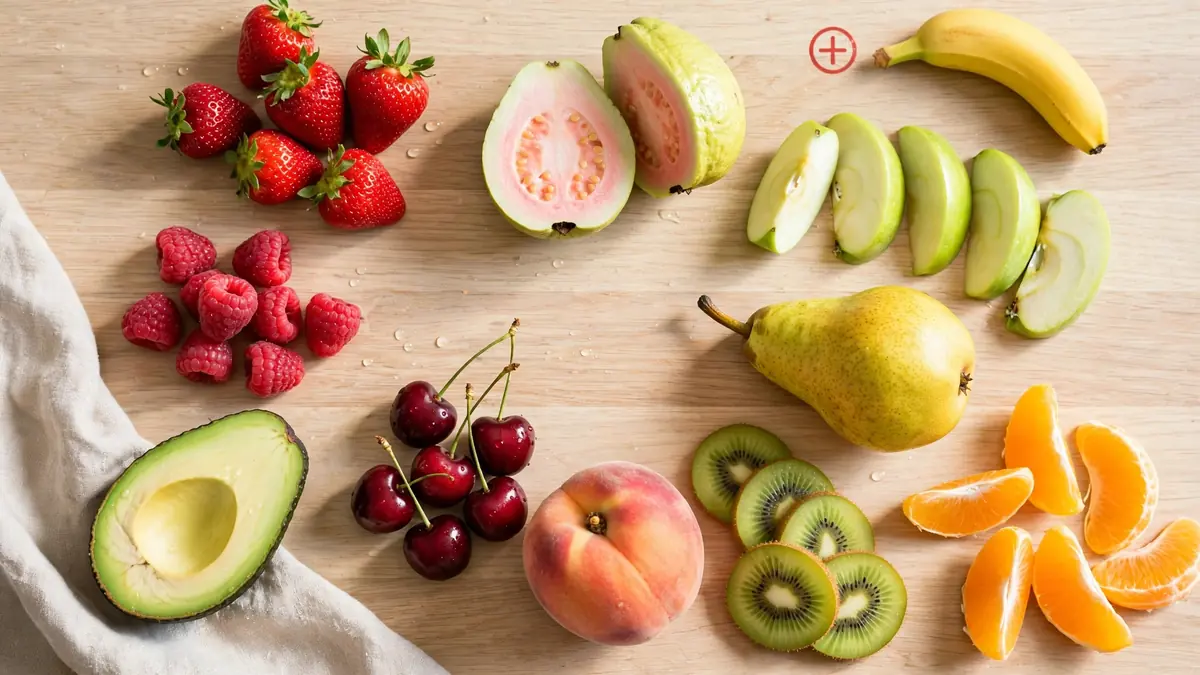
1. Berries (Strawberries, Blueberries, Raspberries)
Berries are one of the most commonly recommended low sugar fruits for diabetics, and for good reason. They’re lower in sugar than a banana and packed with fiber.
A cup of strawberries has around 7-8 grams of sugar and roughly 11 grams of total carbs, with a glycemic index in the low range. Eat them fresh, on their own or mixed into plain Greek yogurt.
A good portion tip is about 3/4 to 1 cup per serving.
2. Green Apples (Granny Smith)
Green apples tend to be tarter and lower in sugar than red varieties. A medium Granny Smith apple has roughly 19 grams of sugar and sits in the moderate GI range, but the skin’s fiber helps slow absorption.
Eat it with the skin on, and pair it with a small handful of almonds for extra staying power. Half an apple is a reasonable starting portion if you’re watching your response closely.
3. Kiwi
Kiwi is small but mighty when it comes to fiber. One medium kiwi has about 6 grams of sugar and a low glycemic index.
The skin, yes it’s edible, adds extra fiber if you’re comfortable eating it. One to two kiwis makes a solid single serving.
4. Oranges and Citrus Fruits
Whole oranges, grapefruits, and similar citrus fruits are lower glycemic index options thanks to their fiber and water content. A medium orange has around 12 grams of sugar.
The key word here is whole. Orange juice is a very different story, since it lacks the fiber that slows sugar absorption. Stick to eating the segments, not drinking the juice.
5. Pears
Pears are high in fiber, which helps offset their natural sugar content. A medium pear has roughly 17 grams of sugar but a relatively low glycemic index because of that fiber.
Eating it with the skin on and slightly underripe, still a bit firm, tends to be the better choice.
6. Peaches
A medium peach has around 13 grams of sugar and a moderate-to-low glycemic index. Peaches work well eaten fresh, sliced into a small serving of cottage cheese for added protein.
Avoid canned peaches in syrup, which are loaded with added sugar.
7. Cherries
Sweet cherries have a lower glycemic index than most people expect, largely due to their fiber and antioxidant content. About 1 cup of pitted cherries has roughly 13 grams of sugar.
A half-cup to one-cup portion, eaten fresh, is a reasonable serving.
8. Avocado
Avocado is a bit of an outlier on this list because it’s very low in sugar, under 1 gram per serving, and high in healthy fats and fiber. It has almost no impact on blood sugar.
It can actually help slow the absorption of sugar from other foods eaten alongside it. A quarter to half an avocado is a typical serving.
9. Guava
Guava is high in fiber and vitamin C, with a moderate sugar content of around 9 grams per fruit. Its high fiber content helps blunt blood sugar spikes.
Eating it fresh, skin included, is the best way to get the full fiber benefit.
10. Grapefruit
Grapefruit is one of the lower sugar options on this list, with about 8 grams of sugar per half fruit. It also has a low glycemic index.
Just be aware that grapefruit can interact with certain medications, so it’s worth checking with your doctor or pharmacist before adding it regularly if you take prescription drugs. The NIDDK has more information on how diet and medication interact for people with diabetes.
Week-by-Week Fruit Swap Routine for Beginners
Trying to figure out what fruits can diabetics eat instead of banana works best with a gradual plan rather than an overnight overhaul.
Week 1: Replace your daily banana with berries or a green apple. Check your blood sugar before and about an hour after eating to see how your body responds.
Week 2: Start pairing fruit with a protein or fat source, like a handful of nuts or plain yogurt. Keep an eye on portion sizes.
Week 3: Rotate in new fruits for diabetics from the list above. Try planning your fruit choices around your other meals that day so you’re not stacking carbs.
Week 4: Look back at your blood sugar trends. Are certain fruits working better for you than others? If not, this is a good point to check in with a dietitian.
Real-Life Experiences and Practical Observations
People who make the switch to diabetic friendly fruits often run into a few of the same patterns. One common beginner mistake is eating a big bowl of “safe” fruit and being surprised when their sugar still climbs.
Even low glycemic fruit can spike blood sugar in a large enough portion. Another mistake is expecting instant results. This is one of the most common lessons people learn once they start exploring what fruits can diabetics eat instead of banana on their own.
Most people notice gradual improvement over a couple of weeks of consistent tracking, not overnight. What tends to surprise people most is how different their own body’s response is compared to what they read online.
Two people can eat the same apple and see different blood sugar numbers. That’s exactly why tracking your own response matters more than any general chart.
Common Mistakes to Avoid
Even with a solid list of low sugar fruits for diabetics, a few habits can undo the benefit:
- Eating large portions of even low sugar fruits
- Drinking fruit juice instead of eating whole fruit
- Choosing dried fruits with added sugar
- Eating fruit alone without any protein or fat
- Skipping blood sugar monitoring after trying a new fruit
- Assuming all fruits affect blood sugar equally
Additional Lifestyle Tips
Choosing the right fruits for diabetes is just one piece of the picture. A few other habits that support better blood sugar control:
- Maintaining a healthy weight through gradual, sustainable changes
- Staying well hydrated throughout the day
- Getting regular exercise, even short walks after meals
- Eating a balanced diet with enough fiber and protein
- Checking blood sugar regularly, especially when trying new foods
- Managing stress, since it can affect blood sugar too
- Keeping up with regular diabetes checkups
- Prioritizing good sleep habits
Frequently Asked Questions (FAQ)
Can diabetics eat bananas at all?
Yes, in moderation. A smaller, slightly less ripe banana paired with protein or fat is generally easier on blood sugar than a large, fully ripe one eaten alone.
What fruits should diabetics avoid?
Fruits highest in sugar with less fiber to balance them out, like dried fruit, canned fruit in syrup, and fruit juice, tend to cause the biggest blood sugar spikes.
Are apples better than bananas for diabetics?
Often, yes. Green apples are one of the better fruits diabetics can eat instead of banana, since they tend to have a lower glycemic index and more fiber relative to their sugar content.
How much fruit can a diabetic eat per day?
This varies by person, but a common general guideline is 1 to 2 servings of whole fruit per day, spread out rather than eaten all at once. Your healthcare provider can help you find the right amount.
Is avocado good for diabetes?
Yes. Avocado is very low in sugar and high in fiber and healthy fat, making it one of the more blood-sugar-friendly fruit options.
Are berries safe for diabetics?
Generally, yes. Berries are among the lower glycemic fruits for diabetics and are commonly recommended for people managing blood sugar.
Can I eat fruit at night if I have diabetes?
You can, but pairing it with protein or fat and keeping the portion modest tends to work better than eating a large serving of fruit alone right before bed.
Which fruit has the lowest sugar?
Avocado has the lowest sugar content on this list by far, followed by grapefruit and kiwi. It’s one of the easiest answers when people ask what fruits can diabetics eat instead of banana for the lowest possible sugar impact.
Final Thoughts
Figuring out what fruits can diabetics eat instead of banana isn’t about cutting out fruit altogether. It’s about learning which options work better with your body and how to eat them in a way that supports steady blood sugar.
Berries, green apples, kiwi, citrus, pears, peaches, cherries, avocado, guava, and grapefruit all offer good diabetic friendly fruits worth trying. Track your own results, adjust as you go, and remember that low sugar fruits for diabetics are a helpful part of diabetes care, not a replacement for medical guidance.
Medical Disclaimer: This article is for informational purposes only and is not intended as medical advice. It is not a substitute for professional medical advice, diagnosis, or treatment. Readers with diabetes, high blood sugar, or related conditions should consult a qualified healthcare provider or registered dietitian before making major dietary changes.