
Diabetes for about four years. She sat down, opened her phone, and before I even said hello, she asked, “Can diabetics eat bananas? My sister told me to cut them out completely, but I love bananas.” I get some version of that question almost every week — honestly, can diabetics eat bananas is one of the most common things patients ask me.
Fruit confuses people with diabetes more than almost any other food group. It’s natural, it’s marketed as healthy, and yet it contains sugar — so patients are never quite sure where they stand. Bananas get singled out even more than most fruits because they’re starchy, sweet, and easy to overeat. So let’s settle the question — can diabetics eat bananas — clearly. This guide walks through what the research and real patient experience actually show, so you can make an informed choice about eating bananas as a diabetic in 2026.
The Short Answer: Can Diabetics Eat Bananas?
Yes. Can diabetics eat bananas? Absolutely — the key is portion size, ripeness, and what you eat alongside them.
A banana isn’t a “forbidden food.” It’s a carbohydrate source, the same way rice or bread is, and it needs to be counted and portioned the same way. When patients ask me “can diabetics eat bananas safely,” my answer is almost always yes, with a few simple guardrails. A small to medium banana, eaten mindfully, fits into a balanced diabetic meal plan for the vast majority of people. The exceptions are worth knowing about too, and I’ll cover those later in this guide.
Banana Nutrition Facts Diabetics Should Know
Before deciding how to fit bananas into your day, it helps to know what’s actually in one.
A medium banana (about 7 inches long, roughly 118 grams) contains approximately:
- Carbohydrates: 27 grams
- Sugar: 14 grams (naturally occurring, not added)
- Fiber: 3.1 grams
- Potassium: 422 mg
- Calories: around 105
- Glycemic index (GI): 42–62, depending on ripeness
- Glycemic load (GL): around 11–16 for a medium banana
Knowing these numbers is the first step to answering can diabetics eat bananas in a way that fits your own targets, not just a general rule.
Can Diabetics Eat Bananas at Every Ripeness Stage?
This is the part most patients never get told. A green or slightly under-ripe banana behaves very differently in your body than a spotty, fully ripe one.
Green bananas contain more resistant starch, which digests slowly and has a much smaller impact on blood sugar. As a banana ripens, that resistant starch converts into simple sugars, which is why an overripe banana tastes sweeter and raises blood sugar faster than a green one would.
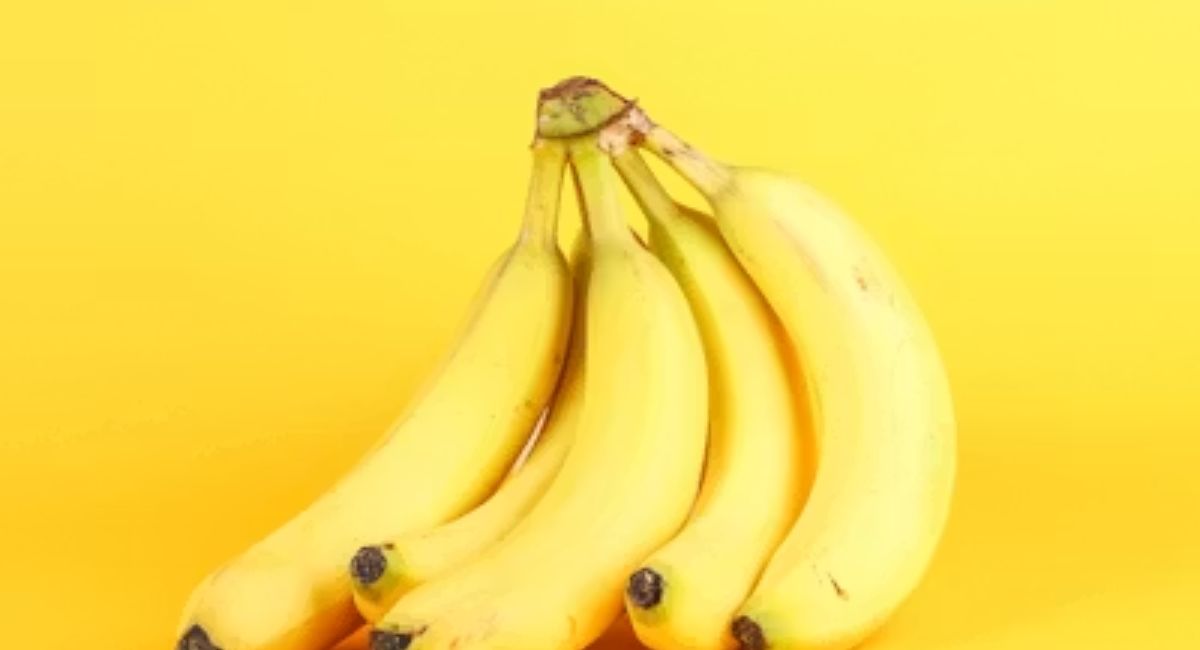
[Insert in-content image here — set Alt Text to: can diabetics eat bananas]
Portion Size Guide for Diabetics Eating Bananas
- Safer choice: half a medium banana (about 13g carbs)
- Standard portion: one small to medium banana (under 7 inches)
- Use caution: one large or very ripe banana, especially alone on an empty stomach
Getting the portion right is often the deciding factor in can diabetics eat bananas without a spike, more than the fruit itself.
How Bananas Affect Blood Sugar in Diabetics
Understanding how bananas affect blood sugar is central to answering can diabetics eat bananas for your specific body, since the same fruit can behave very differently from one person to the next.
Glycemic Index: Green vs. Ripe
A green banana sits closer to the low end of the glycemic index scale, while a very ripe, spotty banana climbs into the medium-to-high range. This single factor explains why two people with diabetes can eat “a banana” and see completely different blood sugar readings afterward, and it’s often the missing piece when patients ask me why bananas affect them differently than a friend who also has diabetes.
Fiber Slows Everything Down
Bananas contain fiber, and fiber is your blood sugar’s best friend. It slows how quickly sugar enters your bloodstream, which blunts the sharp spike you’d otherwise get from the fruit’s natural sugar. This is also why eating the whole banana is always better than drinking banana juice, which strips out the fiber almost entirely.
Banana Alone vs. With Protein or Fat
I’ve watched this play out with dozens of diabetic patients: a banana eaten by itself on an empty stomach tends to spike blood sugar faster and higher than the same banana eaten with a source of protein or healthy fat. Pairing slows digestion and flattens the glucose curve. This is one of the simplest, most practical tools for any diabetic eating bananas regularly.
5 Ways Diabetics Can Eat Bananas Safely
- Choose slightly green bananas. Look for bananas that are yellow with a hint of green at the tips rather than fully speckled and soft. You get the flavor with less glycemic impact.
- Pair with protein like peanut butter. A tablespoon of natural peanut butter with banana slices is one of the easiest ways to slow sugar absorption while adding staying power to the snack.
- Eat half a banana as a snack. Splitting the portion cuts the carb load roughly in half without cutting out the food you enjoy.
- Use in smoothies with low-carb ingredients. Blend a small amount of banana with unsweetened almond milk, spinach, chia seeds, and a scoop of protein powder instead of building the smoothie around banana and juice.
- Watch the time of day. Many diabetics tolerate bananas best earlier in the day or alongside a balanced meal, rather than as a late-night snack when insulin sensitivity tends to be lower.
Following these five habits is usually enough to answer the “can diabetics eat bananas” question in your own favor, even if you’ve had shaky results with bananas before.
Who Should Limit or Avoid Bananas
Before you fully answer can diabetics eat bananas for yourself, it’s worth flagging the exceptions.
Type 1 vs. Type 2 Diabetics Eating Bananas
People with type 1 diabetes can generally eat bananas too, as long as the carbohydrate content is calculated correctly into insulin dosing. The bigger risk with type 1 isn’t the banana itself, it’s under- or over-estimating the carb count.
Kidney Disease and Potassium
Bananas are high in potassium, which is healthy for most people but can be a real problem for diabetics with kidney disease or reduced kidney function. If your kidney function is compromised, high-potassium foods like bananas need to be discussed with your doctor or a renal dietitian before you make them a regular habit. Diabetic complications elsewhere in the body, including nerve and circulation issues in the feet, are often managed alongside these same dietary decisions.
Very High A1C Levels
If your A1C is significantly elevated and not yet under control, your care team may ask you to temporarily limit higher-sugar fruits, including ripe bananas, until your levels stabilize. This isn’t a permanent restriction — it’s a short-term strategy while you and your provider get things dialed in.
Common Mistakes Diabetics Make With Bananas
These common mistakes are usually why can diabetics eat bananas gets a shaky answer for some people:
- Eating very ripe, heavily spotted bananas and being surprised by the blood sugar spike
- Eating two or three bananas in one sitting, which stacks up carbs fast
- Drinking banana smoothies loaded with added sugar, honey, or juice instead of whole, unsweetened ingredients
- Not counting banana carbs in the overall meal plan, which throws off insulin dosing or daily carb targets
- Eating banana completely alone on an empty stomach rather than pairing it with protein or fat
Better Fruit Options if Bananas Spike Your Sugar
If you’ve noticed bananas consistently spike your readings, and you’re still wondering can diabetics eat bananas comfortably, these lower-GI fruits are worth trying instead:
- Berries (strawberries, blueberries, raspberries): about ¾ cup, GI around 25–40
- Apples: one small apple with skin, GI around 36
- Pears: one small pear, GI around 38
- Oranges: one medium orange, GI around 40
- Cherries: about ½ cup, GI around 20
Sample Meal Plans for Diabetics Eating Bananas
These meal plans are built around the same guardrails that answer can diabetics eat bananas safely across a full day of eating.
Day 1
- Breakfast: Greek yogurt with half a banana, chia seeds, and cinnamon
- Lunch: Grilled chicken salad with olive oil dressing
- Snack: Half a banana with 1 tbsp natural peanut butter
- Dinner: Baked salmon, steamed broccoli, quinoa
Day 2
- Breakfast: Two scrambled eggs, whole-grain toast, small sliced banana on the side
- Lunch: Lentil soup with a side salad
- Snack: Small banana smoothie with unsweetened almond milk and spinach
- Dinner: Turkey stir-fry with brown rice and mixed vegetables
Frequently Asked Questions: Can Diabetics Eat Bananas?
How many bananas can a diabetic eat per day?
Most diabetics can safely eat one small to medium banana per day, ideally paired with protein or fat and counted into their overall carb allowance.
Are green bananas better than ripe bananas for diabetes?
Yes. Green bananas have more resistant starch and a lower glycemic index, so they raise blood sugar more slowly than fully ripe, spotty bananas.
Does banana increase blood sugar immediately?
Banana carbs start raising blood sugar within about 15–30 minutes of eating, with the peak typically occurring around 60–90 minutes later, depending on ripeness and what else you ate.
Can diabetics eat banana at night?
Yes, in moderation, though many patients find a smaller portion paired with protein works better at night than a large banana eaten alone.
Are banana chips safe for diabetics?
Most commercial banana chips are fried and coated in added sugar, which makes them a poor choice. Freeze-dried, unsweetened banana chips in small portions are a better option.
Can type 1 diabetics eat bananas?
Yes, as long as the carbohydrate count is factored into insulin dosing accurately.
What is the glycemic index of banana?
Banana’s glycemic index ranges from about 42 for a green banana to around 62 for a very ripe one.
Should I check blood sugar after eating banana?
Yes, especially the first few times you try it. Checking your blood sugar 1–2 hours after eating banana tells you exactly how your body responds, which is more useful than any general chart.
Final Answer: Can Diabetics Eat Bananas in 2026?
So, can diabetics eat bananas? For most people, the answer is a clear yes, as long as portion size, ripeness, and pairing are managed thoughtfully. Bananas aren’t the enemy — they’re a nutrient-dense fruit that fits into a diabetic diet 2026 approach when eaten with awareness rather than avoidance. Whether you’re newly diagnosed or have been managing diabetes for years, the same principles apply: keep an eye on your own blood sugar response, since everyone’s tolerance is a little different, and always loop in your doctor or registered dietitian before making significant changes to your diet.
For more general guidance, the American Diabetes Association, Mayo Clinic, and CDC all offer reliable, up-to-date resources on diabetes and diet.
Medical Disclaimer: This article is for informational purposes only. It is not a substitute for professional medical advice, diagnosis, or treatment. Readers with diabetes should consult a qualified healthcare provider or registered dietitian before making dietary changes.
2 thoughts on “Can Diabetics Eat Bananas? A Complete 2026 Guide”