
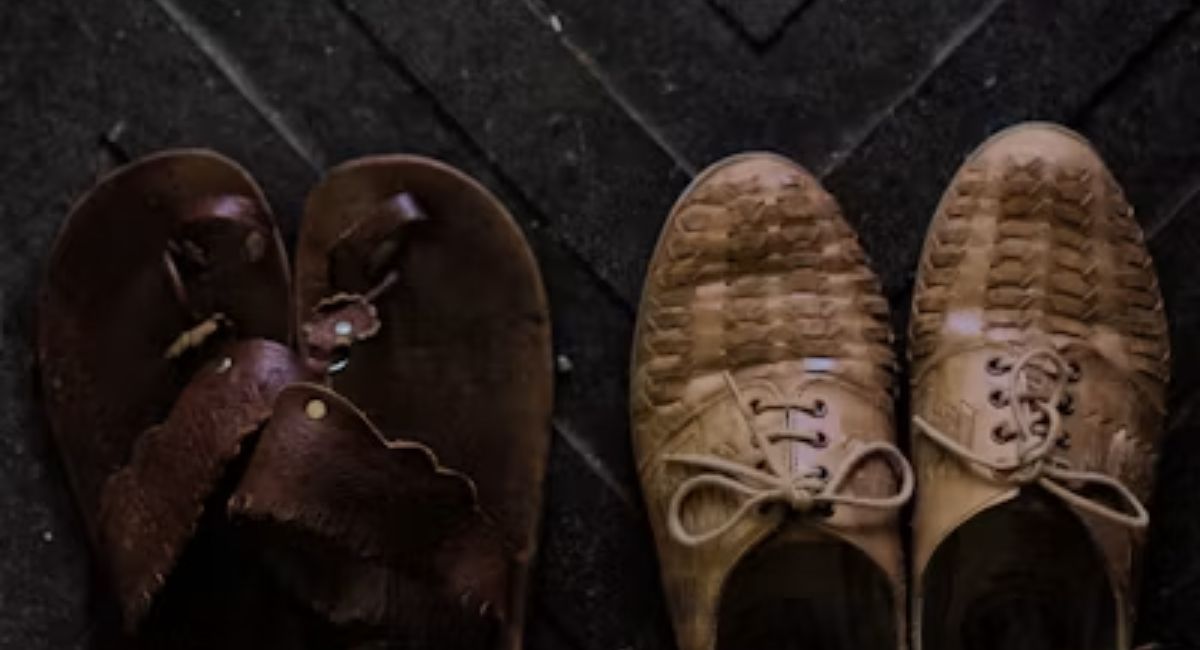
Denise is 58. Every morning she stands in her closet for a solid two minutes before picking anything for her feet. Some days her toes feel numb, like they belong to someone else. Other days they burn, especially by evening. So she stares at her sneakers on one shelf and her fuzzy slippers on the other and asks herself the same question that a lot of readers ask me: shoes vs slippers for diabetic nerve pain, which is actually safer to wear day to day?
If you’ve got diabetic nerve pain, you already know this isn’t a small decision. The wrong footwear can turn a quiet evening into a night of burning, tingling, or numbness that keeps you up. And in 2026, there are more footwear choices than ever, which sounds great until you’re standing in an aisle full of “diabetic-friendly” labels that all claim to be the best option. This guide breaks down shoes vs slippers for diabetic nerve pain in plain terms, so you’re not guessing every morning like Denise.
What Is Diabetic Nerve Pain in Feet?
Diabetic neuropathy happens when consistently high blood sugar damages the small nerves in your feet over time. Think of your nerves like old telephone wires. When they’re healthy, signals travel clearly from your feet to your brain: hot, cold, sharp, pressure. When they’re damaged, the signal gets fuzzy or drops out completely. That’s why some people feel burning or tingling, while others feel almost nothing at all, even when they step on something sharp.
This loss of feeling is the part that catches people off guard. You’d think numbness would be the “easy” symptom, but it’s actually the more dangerous one. Pain at least tells you something’s wrong. Numbness lets injuries happen quietly, sometimes for days, before you notice a blister, cut, or sore.
Understanding this is the whole reason footwear choice matters so much for anyone dealing with diabetic nerve pain. It’s also why the shoes vs slippers for diabetic nerve pain question comes up so often — shoes and slippers aren’t just about comfort anymore. They’re the first line of defense between your feet and the ground.
Why Footwear Matters So Much for Diabetics
Here’s the chain reaction that a lot of people don’t realize until it’s already happened: reduced feeling means you don’t notice friction or pressure building up. Poor circulation, which is common with diabetes, means your body struggles to send healing resources to your feet quickly. Combine those two things, and a small rub from a stiff shoe seam, or a bunched-up sock inside a loose slipper, can quietly turn into a sore. Left unnoticed, that sore can become an ulcer.
Footwear affects blood flow too. Shoes that are too tight squeeze blood vessels and slow circulation, which nerves and healing skin both depend on. Slippers that are too loose let your foot slide around, creating friction with every step. Even the material matters. Stiff, non-breathable fabric traps heat and moisture, which irritates nerves that are already sensitive. This is exactly why the debate over shoes vs slippers for diabetic nerve pain isn’t just semantics — the wrong choice has a direct line to skin breakdown.
There’s also a mental side to this that people don’t talk about enough. Once someone has had one bad experience, a blister that took weeks to heal, or a fall from a loose slipper, they tend to overcorrect. Some people start avoiding shoes altogether because they associate them with discomfort. Others stop wearing slippers entirely out of fear. Neither extreme is necessary once you understand what each type of footwear is actually good for.
The goal with any footwear, shoe or slipper, is the same: even pressure distribution, enough room for your toes, no rubbing, and enough structure to protect against impact or sharp objects.
Shoes for Diabetic Nerve Pain: Pros and Cons
I’ve talked with enough people managing neuropathy to notice a pattern. The ones who do best outdoors are almost always wearing proper shoes, not sandals, not slip-ons, not slippers repurposed as “outdoor shoes” because they’re comfortable. In the shoes vs slippers for diabetic nerve pain comparison, this is where shoes clearly pull ahead.
Pros of shoes:
- Solid arch support that reduces pressure on the ball and heel of the foot
- A protective barrier against rocks, glass, hot pavement, and other outdoor hazards
- Structured cushioning that spreads out impact instead of concentrating it on one spot
- Better ankle stability, which lowers fall risk
Cons of shoes:
- They can run hot, especially in summer, which isn’t great for feet that are already prone to swelling
- Good diabetic shoes aren’t cheap, and budget options often skip the features that actually matter
- A poor fit can cause more harm than good, since a stiff or narrow shoe can create pressure points fast
For 2026, look for shoes with a wide, deep toe box, seamless interior linings, removable cushioned insoles so you can swap in orthotics if needed, and breathable mesh panels. If your feet run hot or you deal with burning sensations specifically, this guide on shoes built for burning feet goes deeper into materials and fit adjustments that help.
Slippers for Diabetic Nerve Pain: Pros and Cons
Slippers get a bad reputation in some diabetic care circles, and honestly, some of that is deserved. But not all slippers are created equal, and the right pair has a real place in a diabetic’s daily routine, especially indoors. When people frame shoes vs slippers for diabetic nerve pain as an either/or choice, this is usually the part they’re missing.
Pros of slippers:
- Easy to slip on for short trips to the kitchen or bathroom
- Comfortable and lightweight, which some people find helps circulation compared to stiff shoes
- Less restrictive around swollen feet, especially later in the day
Cons of slippers:
- Many have thin, flexible soles that offer almost no protection from stepping on something sharp
- Open-back or open-toe styles increase the chance of stubbing a toe or catching an edge you can’t feel
- Worn-out, flattened slippers lose their cushioning fast and can contribute to slips and falls
If you’re going the slipper route, look for orthopedic slippers with memory foam soles, a closed toe, non-slip rubber outsoles, and enough structure that the slipper doesn’t fold in half when you bend it. This roundup of diabetic slippers worth considering breaks down which features actually hold up with daily use.
Shoes vs Slippers for Diabetic Nerve Pain: Which Is Safer in 2026?
This is where most people want a simple answer, and I get it. But when you compare shoes vs slippers for diabetic nerve pain honestly, the safest choice depends heavily on where and when you’re wearing them, plus your overall diabetes management and any existing foot complications.
| Factor | Shoes | Slippers |
|---|---|---|
| Safety outdoors | High – protects against debris, impact | Low – minimal protection |
| Safety indoors | Moderate – can be bulky for short trips | Higher – comfortable for brief indoor use |
| Support | Strong arch and heel support | Limited, varies by brand |
| Comfort | Good once broken in | Immediate comfort |
| Injury risk | Lower with proper fit | Higher if soles are thin or worn |
| Best use case | Walking, errands, outdoor activity | Short indoor trips, bedside use |
The pattern that shows up again and again when weighing shoes vs slippers for diabetic nerve pain is this: shoes are safer for anything involving walking distance, uneven surfaces, or outdoor exposure. Slippers can be safe, but only the sturdier, closed-toe, non-slip kind, and only for short indoor stretches, not all-day wear. Results vary depending on your circulation, any existing nerve damage, and how consistently you check your feet, so what works well for one person may need adjusting for another.
Expert Breakdown: What Actually Determines Safety
Podiatrists I’ve read on this topic tend to agree on one core idea: neither shoes nor slippers are automatically “safe” just because of their category. A cheap, thin-soled shoe can be riskier than a well-made orthopedic slipper. What actually determines safety in the shoes vs slippers for diabetic nerve pain debate is sole thickness, fit, toe protection, and how well the footwear matches the activity. For daily errands and walking, shoes win. For a quick trip across the living room, a supportive slipper is fine. The mistake is treating either one as a universal solution.
What Podiatrists Recommend in 2026
When it comes to shoes vs slippers for diabetic nerve pain, a few guidelines show up consistently in podiatric foot care advice:
- Wear real shoes for any outdoor walking, even short trips to the mailbox
- Limit slippers to brief indoor use, and replace them the moment the soles start to flatten
- Never walk barefoot, indoors or outdoors, since even a tiny scrape can go unnoticed
- Get properly fitted rather than guessing your size, since foot shape often changes with age and swelling
- Rotate footwear so no single pair takes all the daily wear and tear
According to the American Diabetes Association, proper foot protection is one of the simplest and most effective ways to prevent diabetes-related foot complications. The CDC’s guidance on diabetic foot care echoes this, emphasizing daily foot checks alongside appropriate footwear. Mayo Clinic also notes that even minor foot injuries can escalate quickly in people with reduced circulation, which is exactly why prevention through footwear matters as much as treatment after the fact. When shopping for footwear, the American Podiatric Medical Association recommends checking for their Seal of Acceptance, which flags products reviewed by podiatrists for diabetic foot safety.
Week-by-Week Footwear Routine for Beginners
If you’re just starting to take the shoes vs slippers for diabetic nerve pain decision seriously, here’s a simple month-long approach that doesn’t overwhelm you.
Week 1: Get your feet professionally measured. Sizes shift over the years, and diabetic feet especially can change shape due to swelling. Start a daily foot check, looking for red spots, cuts, or blisters.
Week 2: Buy one pair of proper diabetic shoes for outdoor use and one pair of orthopedic slippers for indoor use. Break them in slowly, wearing each for short periods the first few days.
Week 3: Test different sock types with your new footwear. Seamless, moisture-wicking socks tend to work best. Keep checking for red or irritated spots after each wear.
Week 4: Evaluate how your feet feel overall. Less burning? Fewer hot spots? If pain or numbness hasn’t improved, or if you notice any sores, schedule a visit with a podiatrist.
Real-Life Experiences and Practical Observations
Walter, a reader who reached out after switching his routine, told me his biggest mistake for years was wearing flip-flops around the house “because they were easy.” He didn’t think much of it until a small cut on his heel took almost three weeks to heal. After switching to closed-toe orthopedic slippers indoors and proper diabetic shoes for outdoor walks, he noticed fewer hot spots within the first month — a small but real example of how much the shoes vs slippers for diabetic nerve pain decision actually matters day to day.
A common thread I’ve noticed in these shoes vs slippers for diabetic nerve pain stories is that people are surprised by how much difference sock choice makes, not just the footwear itself. Bunched-up socks inside even a good shoe can undo a lot of the benefit. The other surprise for most people is how much consistency matters. Wearing the right shoes three days a week and old sneakers the other four doesn’t give your feet the protection they need. Small, repeated habits, checking feet daily, rotating shoes, replacing worn slippers, add up to far more protection than any single expensive purchase.
Common Mistakes to Avoid
Even after you’ve settled the shoes vs slippers for diabetic nerve pain question for your own routine, a few habits can undo all that progress:
- Wearing tight shoes that squeeze the toes or heel
- Walking barefoot at home, even just to the bathroom
- Sticking with old, worn-out slippers long after the cushioning is gone
- Ignoring small blisters instead of treating and monitoring them
- Buying shoes online without trying them on or checking a return policy
- Choosing style over safety, especially with backless or open-toe shoes
- Assuming one good pair of shoes will last forever without checking for wear
Additional Foot Care Tips
Beyond the shoes vs slippers for diabetic nerve pain choice itself, a few daily habits make a real difference:
- Moisturize dry feet daily, but skip the area between your toes to avoid trapping moisture
- Choose diabetic-friendly socks, seamless and moisture-wicking, and pay attention to how they feel at night; if cold feet are an issue, this piece on diabetic cold feet at night covers safe ways to stay warm without added risk
- Rotate between two pairs of shoes so each pair has time to fully dry out between wears
- Check inside your shoes before putting them on, feeling for pebbles, seams, or anything that shouldn’t be there
- Schedule regular foot exams, even when nothing feels wrong
- Keep toenails trimmed straight across to avoid ingrown nails, which can go unnoticed with reduced sensation
If you’re wondering whether socks at bedtime are a good idea alongside your footwear routine, this guide on sleeping with socks walks through the safest approach for older adults. And for extra relief during flare-ups, some readers have found massage slippers designed for diabetic foot pain helpful as a short, supervised addition to their routine, not a replacement for proper footwear. For more general home strategies, this roundup of diabetic nerve pain home remedies is worth a look too.
Frequently Asked Questions
Are slippers bad for diabetic feet?
Not automatically. In the shoes vs slippers for diabetic nerve pain comparison, thin, worn-out, or open-toe slippers are risky, but supportive orthopedic slippers are fine for brief indoor use.
What type of shoes are best for diabetic nerve pain?
Look for a wide toe box, seamless lining, removable cushioned insoles, and breathable material. Proper fit matters more than any single feature.
Can I wear sandals with diabetic neuropathy?
Open sandals leave your feet exposed to injury and offer little protection, so they’re generally not recommended, especially for people with reduced sensation.
How often should diabetics replace shoes?
Most diabetic shoes should be replaced every six to twelve months, or sooner if the soles or cushioning start to wear down.
Are memory foam slippers safe?
Memory foam slippers can be safe and comfortable if they also have a non-slip sole and enough structure to protect your foot. Softness alone isn’t enough.
Should diabetic shoes be tight or loose?
Neither. They should fit snugly enough to prevent sliding but with enough room in the toe box to avoid pressure points.
Can wearing the wrong footwear cause ulcers?
Yes. Repeated friction or pressure from ill-fitting shoes or slippers, combined with reduced sensation, is one of the more common paths to diabetic foot ulcers.
When should I see a podiatrist?
See a podiatrist if you notice numbness that’s getting worse, any sore that isn’t healing, redness, swelling, or persistent burning pain that doesn’t improve with footwear changes.
Final Thoughts
At the end of the day, weighing shoes vs slippers for diabetic nerve pain isn’t about picking one winner forever. It’s about matching the right footwear to the right moment: sturdy shoes for anything outdoors or involving real walking, and supportive, closed-toe slippers for short indoor stretches. Prioritize safety over convenience, even when the softer, easier option is tempting. Good footwear is part of your diabetes care routine, but it works alongside medical care, not instead of it. If something about your feet feels off, don’t wait it out.
Medical Disclaimer: This article is for informational purposes only and is not a substitute for professional medical advice, diagnosis, or treatment. Readers experiencing persistent diabetic nerve pain, numbness, ulcers, infections, poor circulation, or worsening symptoms should consult a qualified healthcare provider before changing their footwear or foot care routine.