
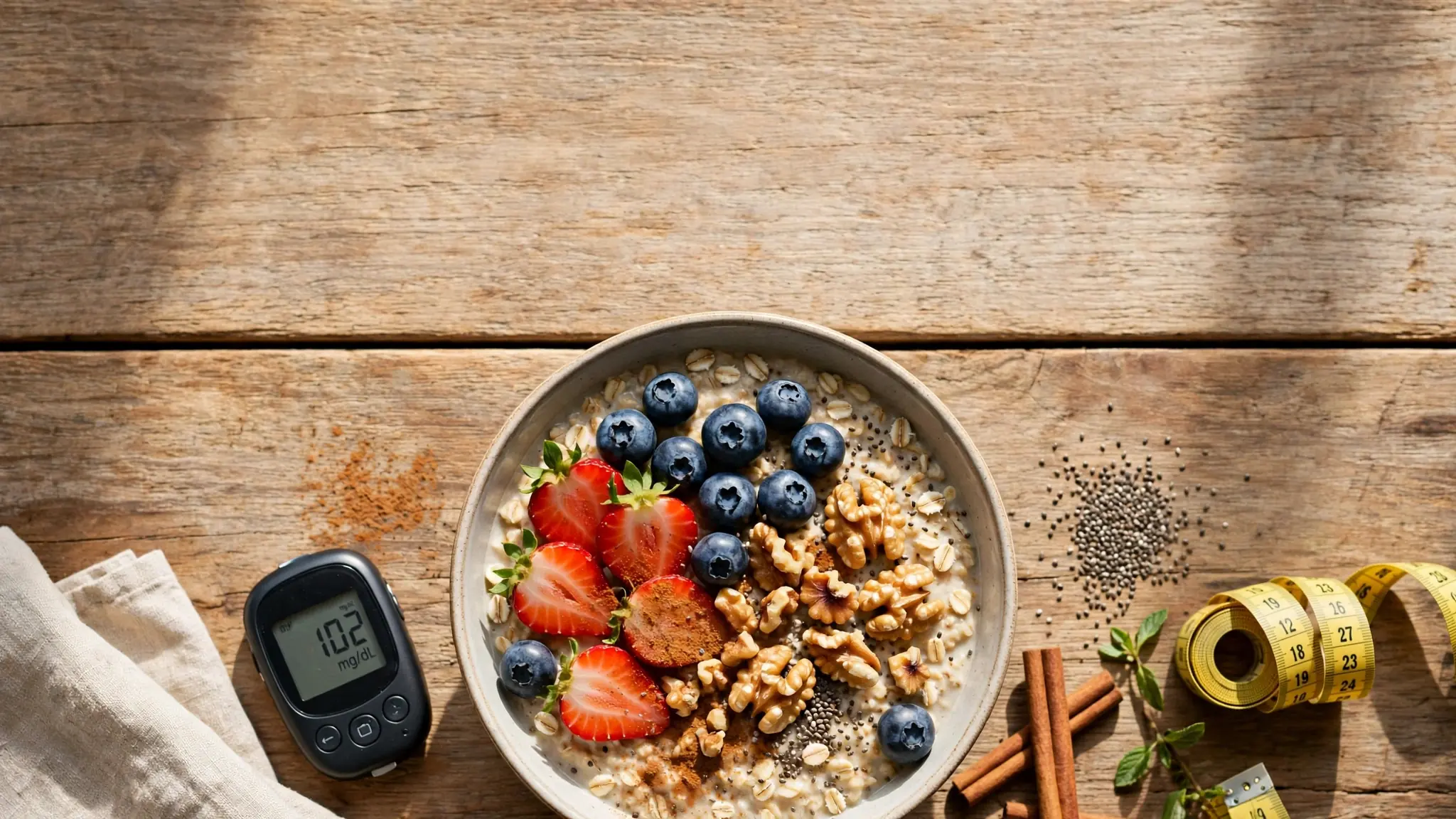
Raymond is 56 and has had type 2 diabetes for six years. Last spring, he stood in the cereal aisle holding two boxes of oatmeal. One said “heart healthy.” The other said “instant maple brown sugar.” His doctor had told him to eat more whole grains. His neighbor swore oatmeal sent her sugar through the roof. So which one was right?
Both were, in a way. Oatmeal can keep blood sugar steady or push it up fast. It depends on the type of oats, the portion, and what you pile on top. If you are searching for the best oatmeal for diabetics, you do not have to give up this breakfast. You just have to choose smarter.
This guide covers the best oatmeal for diabetics: brands, toppings & mistakes to avoid, based on label reading, kitchen testing, and common patterns people report. Results vary from person to person, so use this as a starting point and let your own glucose readings guide you.
Is Oatmeal Good for Diabetics?
Yes, for most people with diabetes, plain oatmeal can fit well into a meal plan. The key word is plain. Plain, minimally processed oats are the best oatmeal for diabetics, while sugary packets are not.
Oats are a whole grain. That means the grain keeps its bran, germ, and endosperm. Refined grains, like white bread, lose most of the bran and germ during processing. The bran holds the fiber, and fiber slows digestion.
Think of fiber as a speed bump on a road. Without it, sugar from your food races into your bloodstream. With it, the trip takes longer, and the rise is gentler. That is the main reason the best oatmeal for diabetics is always a minimally processed one.
The Role of Beta-Glucan
Oats contain a special soluble fiber called beta-glucan. In your gut, it forms a thick, gel-like texture. That gel slows how fast carbohydrates are absorbed, which is why oats keep showing up on lists of the best oatmeal for diabetics. Research on whole grains, including the work summarized by the Harvard T.H. Chan School of Public Health, links them to better blood sugar control and lower risk of type 2 diabetes.
Understanding the Glycemic Index of Oats
The glycemic index (GI) ranks foods by how quickly they raise blood sugar. Lower numbers mean slower rises. Here are rough ranges for common oat types:
- Steel cut oats: about 52 to 55 (low to borderline)
- Old-fashioned rolled oats: about 55 to 59 (borderline)
- Quick oats: about 65 to 70 (medium)
- Instant oatmeal: often 75 or higher (high)
These numbers change by brand and cooking method. If you want a deeper look at the numbers, I broke them down in our guide on whether diabetics can eat oatmeal and its GI score.
Why Portion Size Matters
Even healthy oats contain carbohydrates. Think of your blood sugar like a bathtub. A small amount of water drains easily. A huge amount overflows. A big bowl of even the best oatmeal for diabetics still delivers a big load of carbs.
A typical serving is about one-half cup of dry rolled oats, or one-quarter cup of dry steel cut oats. That usually lands around 25 to 30 grams of carbohydrate before toppings. Your dietitian can tell you what number fits your plan.
Types of Oatmeal: Which Is Best for Blood Sugar?
All oats start as the same grain. The difference is how much they are cut, steamed, and rolled. More processing means faster digestion, and faster digestion means a quicker sugar rise. Knowing the types helps you spot the best oatmeal for diabetics on a crowded store shelf.
Steel Cut Oats
Steel cut oats are whole oat groats chopped into pieces. They look like small bits of rice. They take 20 to 30 minutes to cook, and they stay chewy. Because they are the least processed, they are usually the top pick for steel cut oats for diabetics.
Old-Fashioned Rolled Oats
Rolled oats are steamed and flattened. They cook in about five minutes. They digest a bit faster than steel cut, but they still work well. Many people find rolled oats for diabetics easier to fit into a busy morning.
Instant Oatmeal
Instant oats are cut thin, pre-cooked, and rolled very flat. They dissolve in hot water in a minute. That convenience has a cost. The starch is already broken down, so it hits your blood quickly. For that reason, instant oats rarely qualify as the best oatmeal for diabetics.
Flavored Instant Packets
This is where many people go wrong. A single flavored packet can hold 10 to 15 grams of added sugar. That is like stirring three or four teaspoons of sugar into your bowl before you even add fruit. No flavored packet belongs on a list of the best oatmeal for diabetics. If you are choosing oatmeal for diabetes type 2, skip these.
The simple rule: when you are picking the best oatmeal for diabetics, the less processed the oat, the better. Steel cut first, rolled second, instant only occasionally and only if it is plain.
Steel Cut vs. Instant Oats: Which Is Better for Diabetics?
For most people with diabetes, steel cut oats win. They have the lowest glycemic index of the common oat types, and their chewy, intact texture means your body has to work harder to break them down. That slower breakdown usually translates into a gentler blood sugar rise and longer-lasting fullness. For most people, steel cut oats are the best oatmeal for diabetics. Instant oats, by contrast, are cut thin and pre-cooked, so the starch digests almost as quickly as white bread.
The trade-off is time. Steel cut oats take 20 to 30 minutes on the stove, while instant oats take about one minute. My workaround is simple: I cook a big pot of steel cut oats on Sunday, portion it into small containers, and reheat a serving each morning with a splash of milk. If you are truly stuck with instant oats, choose the plain, unsweetened kind. Stir in a spoonful of nut butter or chia seeds, measure your portion, and test your blood sugar afterward. Even when time is short, the best oatmeal for diabetics is still a plain one. Plain instant oats are not forbidden, but they are the weakest option, and flavored packets are the weakest of all.
Best Oatmeal for Diabetics: Brands, Toppings & Mistakes to Avoid (Top Brands Breakdown)
I compared several widely available brands. Nutrition labels change, so always check your own box. Here are my picks for the best oatmeal for diabetics, and how I look at each one.
Bob’s Red Mill Steel Cut Oats
This is a classic. The oats stay firm and nutty after cooking. The ingredient list is one item: oats. Because it is steel cut, it behaves like a true low glycemic oatmeal, and it earns a spot among the best oatmeal for diabetics. The downside is cooking time. I cook a big batch on Sunday and reheat portions during the week.
Bob’s Red Mill Old Fashioned Rolled Oats
Reliable and easy to find. The texture is soft but not mushy. The ingredient list is again just oats. It is a good everyday option when you do not have 30 minutes, and a solid choice for anyone who wants the best oatmeal for diabetics without a long cook time.
McCann’s Steel Cut Irish Oatmeal
McCann’s comes in the familiar tin. The oats are hearty and chewy, with a slightly toasty flavor. Like the other steel cut options, it has no added sugar in the plain version, which keeps it on my shortlist for the best oatmeal for diabetics. Watch out for McCann’s instant packets, which are a different product with added flavors.
365 by Whole Foods Market Organic Rolled Oats
A budget-friendly pick. These are simple organic rolled oats with nothing else added. If you shop at Whole Foods or buy online, this is a practical choice for daily use and a dependable option for the best oatmeal for diabetics on a budget.
One Degree Organic Sprouted Rolled Oats
These oats are sprouted before they are rolled. Some people find them easier to digest, and the flavor is slightly sweeter without any added sugar. They cost more, but they are a nice option if you want to try something different. Keep in mind that sprouting has not been proven to change blood sugar effects dramatically, so test your own response before calling them the best oatmeal for diabetics for you.
What to Look for on the Label
Here is my label checklist for finding the best oatmeal for diabetics. Whatever brand you pick, flip the box over and check these four things:
- Fiber: Aim for at least 3 to 4 grams per serving.
- Added sugars: Choose 0 grams. The label lists them separately under total sugars.
- Sodium: Plain oats have almost none. Flavored packets can add 150 to 250 milligrams or more.
- Ingredients: The best list is short. “Whole grain oats” is ideal.
The American Diabetes Association offers more guidance on reading labels and building balanced plates.
Best Oatmeal for Diabetics at Walmart: Brand Picks
You do not need a specialty store to shop well. Walmart carries several plain, single-ingredient oats, so finding the best oatmeal for diabetics at Walmart is easier than most people expect. Stock varies by store and online, so check what your location has.
Look for these on the shelf:
- Great Value Old Fashioned Oats: Walmart’s store brand. The plain version is just whole grain rolled oats, which makes it an affordable everyday option.
- Quaker Old Fashioned Oats: Widely available and consistent. Plain rolled oats with nothing added.
- Quaker Steel Cut Oats: A good pick when you want a lower glycemic option and have time to cook.
- Bob’s Red Mill and McCann’s: Many stores stock these in the oatmeal or natural foods aisle.
Skip the flavored packets, even the ones with “heart healthy” or “lower sugar” on the front. Always turn the package over and confirm that “added sugars” says 0 grams and the ingredient list is short. Brand names matter less than the label.
Best Toppings for Diabetics vs. Worst Toppings
The best oatmeal for diabetics is only as good as what you put on top of it. Toppings can rescue a bowl or ruin it. The goal is simple: add protein, healthy fat, and fiber. These three slow digestion even further.
Best Toppings
The toppings below turn any best oatmeal for diabetics pick into a balanced meal.
- Nuts (walnuts, almonds, pecans): Add crunch, healthy fats, and protein.
- Chia seeds: They absorb liquid and add fiber.
- Ground flaxseed: Adds fiber and a mild, nutty taste.
- Natural peanut butter: Choose a jar with only peanuts and salt. One tablespoon is plenty.
- Berries: Blueberries, raspberries, and strawberries are lower in sugar than most fruits.
- Cinnamon: Adds sweetness-like flavor with no sugar.
- Plain Greek yogurt: Adds protein, which helps with fullness.
Choosing fruit can be tricky. If you want more ideas, see our list of low sugar fruits diabetics can eat instead of banana. And if banana is your favorite topping, read when bananas fit best, morning or night, so you can plan your portion.
Worst Toppings
- Brown sugar: Pure added sugar.
- Honey: Natural, but it still raises blood sugar quickly.
- Maple syrup: Same problem, just a nicer label.
- Flavored creamers: Often loaded with sugar and little else.
- Sweetened dried fruit: Raisins, cranberries, and cherries are concentrated sugar, and many brands add even more.
Why Protein, Fat, and Fiber Work Together
Imagine your oatmeal as a car driving down a highway. Carbs are the gas pedal. Protein, fat, and fiber are the brakes and the speed limit signs. A bowl with only oats and fruit has a lot of gas and few brakes. Add nuts, seeds, and yogurt, and the ride slows down.
Best Oatmeal for Diabetics: Brands, Toppings & Mistakes to Avoid Naturally at Home
You do not need fancy equipment to build a diabetes-friendly bowl. Here is a simple setup I use at home with the best oatmeal for diabetics:
- Measure one-half cup of dry rolled oats or one-quarter cup of dry steel cut oats.
- Cook with water, unsweetened almond milk, or low-fat milk.
- Stir in one tablespoon of chia or ground flaxseed.
- Top with a small handful of berries and a tablespoon of chopped walnuts.
- Finish with cinnamon and a spoonful of plain Greek yogurt.
This kind of bowl balances carbs with protein, fat, and fiber. It will not work the same way for everyone, and I cannot promise a specific blood sugar result. Check your glucose before and after to see how your body responds.
Overnight Oats for Diabetics: 3 Recipes
Overnight oats are the easiest way to keep the best oatmeal for diabetics ready on busy mornings. You mix everything in a jar, refrigerate it, and eat it the next day. Use old-fashioned rolled oats, not instant, and unsweetened milk. Each recipe below makes one serving, keeps for up to three days in the fridge, and needs at least six hours of soaking.
Recipe 1: Berry Chia Overnight Oats
Combine one-half cup rolled oats, one-half cup unsweetened almond milk, one tablespoon chia seeds, and one-quarter cup plain Greek yogurt in a jar. Stir well. In the morning, top with one-quarter cup fresh or frozen berries and a pinch of cinnamon. The chia and yogurt add fiber and protein, which help slow digestion.
Recipe 2: Peanut Butter Cinnamon Overnight Oats
Mix one-half cup rolled oats, one-half cup unsweetened milk, one tablespoon natural peanut butter, one tablespoon ground flaxseed, and a half teaspoon of cinnamon. Add a pinch of salt. This one tastes rich without any sweetener. Choose peanut butter with only peanuts and salt on the label.
Recipe 3: Apple Walnut Overnight Oats
Stir together one-half cup rolled oats, one-half cup unsweetened milk, and one-quarter cup plain Greek yogurt. In the morning, add one-quarter of a small diced apple (skin on, for extra fiber), one tablespoon chopped walnuts, and a dash of cinnamon. Keep the apple portion small, since fruit still adds carbs.
As with any meal, check your blood sugar a couple of hours after eating to see how your body reacts. If a recipe pushes your numbers too high, shrink the oat portion or add more protein.
Common Mistakes to Avoid
Even the best oatmeal for diabetics can backfire if you repeat these habits. These are the oatmeal mistakes diabetics make most often.
Eating Too Large a Portion
A big restaurant-style bowl can hold two or three servings. Measure your oats at home until you can eyeball the right amount.
Choosing Flavored Instant Packets
They taste great because they are full of sugar. Plain oats plus your own cinnamon and berries cost less and work better.
Adding Multiple Sweeteners
Honey plus brown sugar plus raisins adds up fast. If you need sweetness, pick one small option, like a few berries or a dash of cinnamon.
Drinking Juice with Oatmeal
A glass of orange juice can add 20 to 25 grams of sugar. Water, unsweetened tea, or black coffee are safer partners.
Skipping Protein
Oats alone are mostly carbohydrates. Without protein or fat, your sugar can rise faster and you may feel hungry again in an hour or two.
Not Checking Your Blood Sugar Response
This is the biggest one. Two people can eat the same bowl and get different results. A glucose meter or continuous glucose monitor shows you what is actually happening.
Week-by-Week Routine for Beginners
If you are new to oatmeal for diabetics, start slowly. This four-week plan keeps things simple.
Week 1: Baseline testing with plain oats. Pick one option from this guide as your best oatmeal for diabetics, then eat a measured serving of it plain. Check your blood sugar before eating, and again one to two hours after. Write down the numbers.
Week 2: Add smart toppings. Keep the same portion, but add nuts, chia seeds, and berries. Test again. Compare your numbers with Week 1.
Week 3: Meal prep and overnight oats. Try one of the overnight oats recipes above, or make a big batch of steel cut oats. Prepping ahead removes the temptation to grab a sugary packet on busy mornings.
Week 4: Evaluate and adjust. Look at your notes. Which bowl kept you steadiest? Which kept you full longest? Adjust the portion or toppings and keep the winner.
Share your notes with your doctor or dietitian at your next visit. They can help you fine-tune the plan.
Real-Life Experiences and Practical Observations
Raymond, from the opening story, tried this routine. He swapped his maple packets for plain rolled oats with walnuts and blueberries. In his case, the best oatmeal for diabetics turned out to be the simplest one. He told me the biggest surprise was how full he felt. He used to be hungry by 10 a.m. Now he makes it to lunch.
Here are patterns many people report when they start paying attention:
- Beginner mistakes: Most start by choosing “healthy-looking” packets without checking sugar. Others pour a huge bowl and assume the best oatmeal for diabetics is safe in any amount.
- Small improvements over time: People often notice steadier morning readings after a few weeks of consistent changes. It is rarely dramatic. It is gradual.
- The biggest surprise: Many are shocked that the same oats can behave so differently with different toppings. A bowl with peanut butter often feels very different from a bowl with honey.
- Why consistency matters: One good breakfast will not change your health. Weeks and months of steady choices do.
Some people find oatmeal does not agree with them at all, even in small amounts. That is okay. Your meter is the final judge.
Additional Lifestyle Tips
Even the best oatmeal for diabetics works better alongside healthy daily habits. Breakfast is only one piece of blood sugar management. These habits support it:
- Healthy weight management: Even modest weight loss can improve insulin sensitivity for many people.
- Post-meal walks: A 10 to 15 minute walk after eating can help your muscles use glucose.
- Staying hydrated: Water supports normal body functions and helps you avoid mistaking thirst for hunger.
- Regular exercise: Aim for a mix of walking, strength training, and flexibility work, as your doctor allows.
- Good sleep hygiene: Poor sleep can raise stress hormones and make blood sugar harder to manage.
- Regular diabetes checkups: A1C tests, eye exams, foot exams, and kidney checks catch problems early.
The Mayo Clinic has a helpful overview of building a diabetes-friendly eating plan if you want more detail.
Frequently Asked Questions (FAQ)
What is the best oatmeal for diabetics?
Plain steel cut oats are usually the best oatmeal for diabetics because they are the least processed and have the lowest glycemic index. Plain old-fashioned rolled oats are a close second. Choose unflavored oats with no added sugar, measure your portion, and add protein and healthy fat.
Can diabetics eat oatmeal every day?
Many people with diabetes can, as long as the portion is controlled and toppings are smart. Even the best oatmeal for diabetics should be matched to your own blood sugar readings, so monitor your response to confirm it works for you.
Which oatmeal has the lowest glycemic index?
Steel cut oats usually have the lowest GI because they are the least processed. Old-fashioned rolled oats come next.
Is instant oatmeal bad for diabetics?
Plain instant oats are not forbidden, but they digest faster and raise blood sugar more quickly. Flavored instant packets are the bigger problem because of added sugar.
Are overnight oats good for diabetics?
They can be. Use rolled oats, unsweetened milk, chia seeds, and berries. Skip sweetened yogurt and honey. Some people report a gentler response with cold-soaked oats, but individual results vary.
What can I add to oatmeal to prevent a sugar spike?
Add protein, healthy fat, and fiber. Nuts, chia seeds, flaxseed, peanut butter, and Greek yogurt are great choices. Cinnamon adds flavor without sugar.
Is steel cut oatmeal better than rolled oats for diabetes?
Steel cut oats usually have a lower GI and a slower effect on blood sugar, which is why many people call them the best oatmeal for diabetics. But rolled oats work well too if you control the portion and add good toppings.
How much oatmeal should a diabetic eat?
A common starting point is one-half cup dry rolled oats or one-quarter cup dry steel cut oats. Your ideal amount depends on your carb goals, medications, and activity level, so ask your dietitian.
Is oatmeal good for type 2 diabetes?
Oatmeal for diabetes type 2 can be a good choice when it is plain, measured, and paired with protein and fat. It should support your care plan, not replace it.
When should I see a dietitian about my breakfast?
See one if your readings stay high after meals, if you take insulin or other medications that need meal timing, or if you feel confused about carb counting. Persistent symptoms like extreme thirst, blurred vision, or frequent urination should be checked by a doctor right away.
Final Thoughts
Breakfast does not have to be a daily battle. Once you know the basics, choosing the best oatmeal for diabetics: brands, toppings & mistakes to avoid becomes a simple routine. Pick minimally processed oats, measure your portion, add protein and healthy fat, and watch your own numbers.
Start with one change this week. Maybe it is swapping a flavored packet for plain oats. Maybe it is adding walnuts and berries. Small steps build habits that last, and the best oatmeal for diabetics is the one that works for your body and your schedule.
Oatmeal can support your diabetes care, but it does not replace medication, medical advice, or regular checkups. Talk with your healthcare team before making big changes to your eating plan.
Medical Disclaimer
This article is for informational purposes only and is not a substitute for professional medical advice, diagnosis, or treatment. Individual results vary. Always consult a qualified healthcare provider, registered dietitian, or diabetes educator before changing your diet, medication, or exercise routine. If you experience persistent or severe symptoms, seek medical care promptly.