
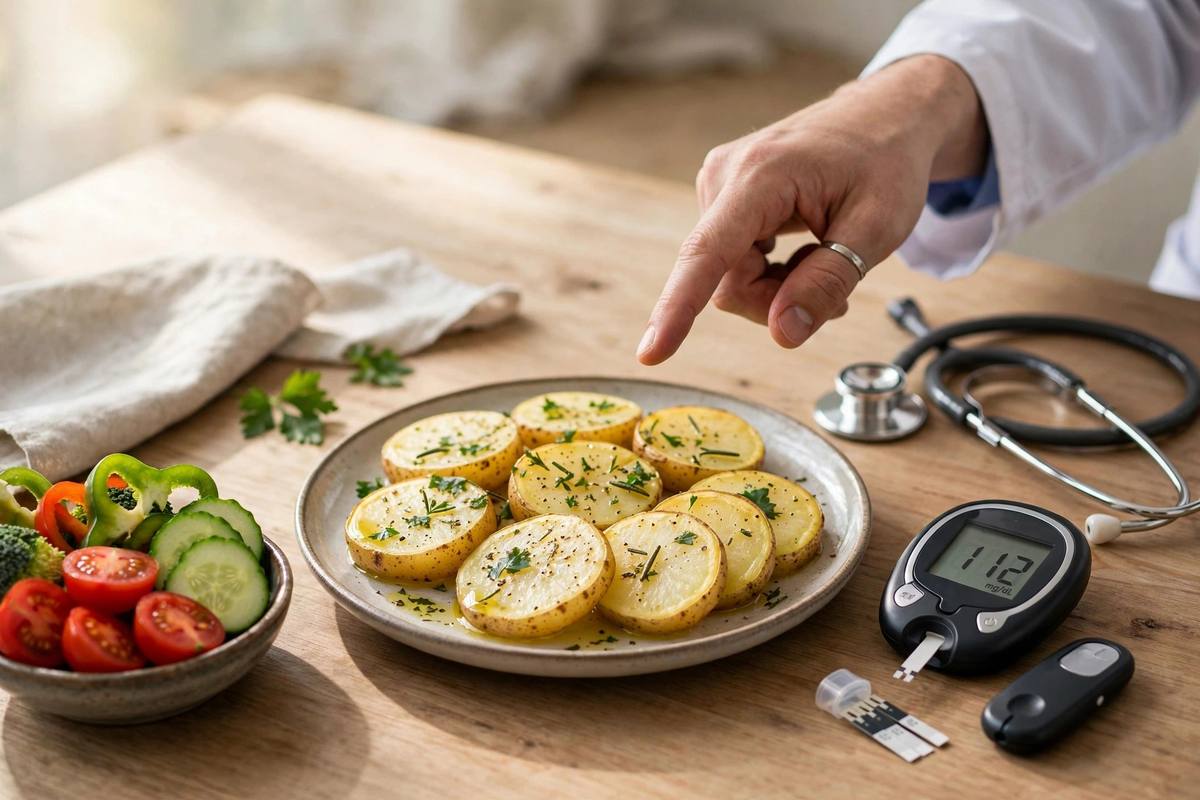
Picture a man named Frank. He’s 52, and he has eaten mashed potatoes at Sunday dinner his whole life. Last spring, his doctor told him he had type 2 diabetes. On the way out, someone at the front desk handed him a pamphlet. A well-meaning relative added, “No more potatoes, ever.”
Frank went home confused. He loved potatoes. His grandmother grew them. Was he really supposed to give them up for good?
This is one of the most common questions I hear. So, can diabetics eat potatoes? Doctor says stop making this mistake: the problem is usually not the potato itself. It’s how you cook it, how much you eat, and what you put next to it on the plate. Let’s sort out the confusion.
What Is the Truth About Potatoes and Diabetes?
So, can diabetics eat potatoes safely? The honest answer starts with how potatoes work in your body.
Potatoes are a starchy vegetable. Your body breaks starch down into glucose, which is sugar in your blood. Think of starch as a long chain of beads. Your digestive system snips the chain into single beads, and each bead enters your bloodstream as sugar.
That’s why potatoes and diabetes have such a tricky relationship. But starch isn’t the whole story. Fiber, protein, fat, and cooking style all change how fast those beads get released.
The Glycemic Index of Potatoes
The glycemic index (GI) ranks foods by how quickly they raise blood sugar. Pure glucose scores 100. Foods above 70 are considered high. When people ask can diabetics eat potatoes, the GI is usually the first number they find online. The glycemic index of potatoes varies widely. A plain boiled white potato can land in the medium-to-high range. A baked russet, eaten hot and plain, often scores high.
Those numbers shift with the variety, the cooking method, and even how long the potato sat after cooking. So a single number never tells the full story. If you like comparing foods this way, our breakdown of the banana glycemic index for diabetics shows how ripeness changes a score in a similar fashion.
Glycemic Load Matters Too
Glycemic load (GL) adds portion size to the picture. A small serving of a high-GI food can have a modest effect. A giant serving of a medium-GI food can hit hard. This is why portion size matters more than most people think.
White, Red, Russet, and Sweet Potatoes
Here’s a quick comparison of the common types:
- Russet: Fluffy and starchy. Baked russets tend to raise blood sugar quickly.
- White potatoes: Medium starch. Boiled and cooled, they behave better than baked.
- Red potatoes: Waxy, with a firmer texture. They are often a gentler choice, especially boiled with the skin on.
- Sweet potatoes: Usually lower on the glycemic index when boiled, and rich in fiber and vitamin A.
- Carisma potatoes: Marketed as a lower-GI variety. Availability in the US varies, so check your local grocery store or ask a dietitian.
So are sweet potatoes bad for diabetics? Not at all. The question can diabetics eat potatoes applies to sweet potatoes too, and many people do well with them in sensible portions. But “sweet” doesn’t mean “free.” Roasted sweet potato with brown sugar can raise blood sugar just as fast as any other carb.
What Causes Blood Sugar Spikes After Eating Potatoes?
If you’ve ever asked yourself can diabetics eat potatoes without a spike, start with this list. Rarely is there a single cause. Several factors usually work together. Here are the main ones.
- High glycemic load. Big portions of fast-digesting starch send sugar into the blood quickly.
- Cooking method. Fries and chips add fat and calories. Baked russets and instant mashed potatoes digest fast. Boiled potatoes usually digest more slowly.
- Eating potatoes alone. Without protein or fiber on the plate, digestion speeds up.
- Large portions. A restaurant baked potato can be the size of a softball or bigger.
- Sitting still after the meal. Muscles use glucose when you move. A short walk helps a lot.
- Heavy add-ons. Butter, sour cream, and cheese add saturated fat and calories. Some people also notice slower, longer-lasting rises in blood sugar after very fatty meals.
If you’ve ever wondered why the same potato spikes you one day and not another, check this list. Usually two or three of these factors lined up.
Symptoms You Should Never Ignore After Eating Potatoes
Before you decide can diabetics eat potatoes in your own daily diet, learn the warning signs. Your body often tells you when blood sugar climbs too high. Watch for these:
- A sudden blood sugar spike on your meter
- An energy crash an hour or two after eating
- Increased hunger soon after a full meal
- Tingling in your hands or feet
- Frequent urination
- Unusual thirst or blurry vision
Tingling deserves extra attention. If it keeps coming back, it may point to nerve irritation from long-term high blood sugar. Our guide on home remedies for diabetic nerve pain in the feet covers gentle ways to find relief, but always tell your doctor about it.
When to Check Your Blood Sugar
Many people check before the meal and again about two hours after the first bite. This gives you a real answer about how your body handles potatoes. It’s better than guessing. The American Diabetes Association has more detail on post-meal targets and food planning.
When to Seek Medical Attention
Call your doctor if you see persistently high readings, ongoing tingling or numbness, or worsening symptoms. Get urgent care if you have extreme thirst, confusion, vomiting, or trouble breathing. Don’t wait on those.
Can Diabetics Eat Potatoes? Doctor Says Stop Making This Mistake
So, can diabetics eat potatoes? Yes, most people with diabetes can eat potatoes in moderation, as long as they avoid the common mistakes below. Results vary depending on your overall health, your medications, and how well your diabetes is managed. Your own meter is the best judge.
Mistake 1: Eating Fried Potatoes Daily
French fries, hash browns, and potato chips are the biggest trouble spots. They pack starch, oil, and often salt. Eating them every day is a fast route to higher readings and extra weight. Save them for rare occasions, and keep the portion small.
Mistake 2: Eating Large Portions
Many people ask, “Can diabetics eat potatoes everyday?” For most, a daily big serving is a bad idea. A small serving, about the size of your fist or roughly half a cup to one cup cooked, is a safer starting point. A dietitian can fine-tune the amount for you.
Mistake 3: Eating Potatoes Without Protein or Fiber
A plain potato on its own digests quickly. Add grilled chicken, fish, eggs, beans, or a big side of non-starchy vegetables. Protein and fiber slow digestion and flatten the spike.
Mistake 4: Choosing the Wrong Type of Potato
A baked russet and a boiled red potato are not the same food on a blood sugar chart. When possible, choose waxy varieties like red or new potatoes, and keep the skin on for extra fiber. Sweet potatoes and lower-GI varieties like Carisma may also work well for some people.
Mistake 5: Adding Unhealthy Toppings
Is a loaded baked potato really still a potato? In some ways, no. Butter, sour cream, bacon bits, and cheese turn it into a calorie bomb. Try plain Greek yogurt, chives, black pepper, garlic, or a drizzle of olive oil instead.
Mistake 6: Eating Potatoes Late at Night
Your body often handles carbs less efficiently in the evening, and you are usually less active afterward. A big potato dish right before bed can raise overnight and morning readings in some people. If you eat potatoes at dinner, eat earlier and take a short walk afterward.
Mistake 7: Not Cooling Potatoes Before Eating
When you cook a potato and then cool it, some of the starch turns into resistant starch. Your body digests this type more slowly, so it may have a smaller effect on blood sugar. Cooled potatoes in a salad, for example, may be gentler than a hot baked potato. Reheating doesn’t fully erase the effect. The research is still developing, so treat it as a helpful trick, not a guarantee.
Mistake 8: Not Tracking Blood Sugar After Eating
You can read all the articles in the world, but your meter tells the truth. Test before the meal and two hours after. Write it down. In a few weeks you’ll know which potatoes, portions, and pairings work for you.
Mistake 9: Thinking All Potatoes Are Off-Limits
Total avoidance is a common reaction after diagnosis. But it often backfires. People feel deprived, then overeat later. A smart plan with portions and pairings is easier to keep up.
Can Diabetics Eat Potatoes? Doctor Says Stop Making This Mistake With Portions
Portions are where most people slip. Here’s a simple trick. Fill half your plate with non-starchy vegetables like green beans, spinach, or broccoli. Fill one quarter with protein. Use the last quarter for your potato. That layout alone cuts the load on your blood sugar.
Is potato good for diabetes type 2? It can fit, but only with those limits. For people with type 2 diabetes, weight, activity, and medications all play a part. No single food is magic, good or bad.
Is Boiled Potato Good for Diabetes? And What About Roast Potatoes?
Can diabetics eat potatoes that are boiled? Usually yes. Boiled potatoes, especially with the skin on and cooled, tend to be easier on blood sugar than baked russets. They’re also simple to prepare. Boil small red potatoes, let them cool, and toss them with olive oil, herbs, and a splash of vinegar.
Roast potatoes for diabetics can work too, if you skip the heavy fat. Cut them into chunks, use a teaspoon or two of olive oil, and roast with garlic and rosemary. Keep the portion small and pair them with protein. How to cook potatoes for diabetics comes down to this: boil, steam, bake lightly, or air-fry, and keep the oil low.
What about potatoes and rice together? That’s two starches on one plate. For most people, it’s too much carbohydrate at once. Pick one, and fill the rest of the plate with vegetables and protein. If rice is your other comfort food, see our guide on how much rice a diabetic can eat per meal and our comparison of basmati vs jasmine vs brown rice for diabetics.
Week-by-Week Routine for Beginners
Changing everything at once rarely works. This four-week plan helps you answer “can diabetics eat potatoes” for your own body, one step at a time.
Week 1: Blood sugar tracking and portion control.
Check your levels before and two hours after potato meals. Measure your portion with a cup or your fist.
Week 2: Switch to healthier cooking methods.
Replace fries and chips with baked, boiled, or air-fried potatoes. Keep the skin on when you can.
Week 3: Pair potatoes with protein, fiber, and healthy fats.
Add eggs, fish, chicken, beans, a side salad, or a spoonful of olive oil. Notice how your readings change. For a high-fiber carb at breakfast, you can also check the benefits, risks, and GI score of oatmeal for diabetics.
Week 4: Evaluate and talk to your professional.
Review your notes. Share them with your doctor or a registered dietitian. Adjust your plan together.
Real-Life Experiences and Practical Observations
Over time, certain patterns show up again and again among people who ask can diabetics eat potatoes after a new diagnosis.
Common beginner mistakes. Many people swap a baked potato for mashed potatoes, thinking it’s healthier. Then they add butter and gravy. Others cut potatoes completely, get frustrated, and binge on bread or pasta instead.
What happens when people change portion and cooking method. Many people report steadier post-meal readings once they shrink the portion and add protein. The change isn’t dramatic for everyone. Some see only a modest improvement. That’s normal, and it still counts.
What surprises people most. The biggest shock is how much a ten-minute walk after dinner helps. Another surprise is how different two potatoes can feel on the meter. A boiled red potato and a loaded baked russet can give very different results.
Why consistency matters. One good meal won’t change your health. Steady habits will. Eating sensible portions week after week does far more than one perfect day.
Common Mistakes to Avoid (Summary)
Here is what trips up most people who ask can diabetics eat potatoes:
- Eating potato chips or fries every day
- Piling butter, cheese, and sour cream on mashed or baked potatoes
- Skipping vegetables at the same meal
- Eating a big potato portion and then sitting on the couch
- Pairing potatoes with rice, bread, or pasta
- Never checking blood sugar after meals
- Assuming sweet potatoes are automatically free
- Cutting out potatoes completely, then overeating other carbs
Additional Lifestyle Tips
Food is one piece of the puzzle. Carbs come from more than potatoes, too. If you’re also wondering about fruit, our guide on whether diabetics can eat bananas walks through portion size and ripeness in the same practical way. These habits help alongside smart food choices:
- Healthy weight management: Even modest weight loss can improve blood sugar control for many people with type 2 diabetes.
- Stay hydrated: Water helps your body flush excess sugar and keeps you feeling full.
- Regular exercise: Aim for a brisk walk after meals and consistent weekly activity, as your doctor approves.
- Portion control: Use smaller plates. Measure until you can eyeball it.
- Daily blood sugar checks: Follow the schedule your care team recommends.
- Stress management: Stress hormones can raise blood sugar. Try deep breathing, stretching, or time outdoors.
- Regular checkups: Keep up with A1C tests, eye exams, foot checks, and kidney screening. If your feet often feel cold at night, read our article on diabetic cold feet at night and mention it at your next visit.
For more background on healthy eating with diabetes, see the Mayo Clinic’s diabetes diet guide and the CDC’s diabetes resources. The NIDDK also offers clear, reliable information.
Frequently Asked Questions (FAQ)
Can diabetics eat potatoes?
Yes, most can, in moderation. Portion size, cooking method, and what you eat with the potato all matter. Check your blood sugar to see how your body responds.
Which potato is best for diabetics?
Waxy varieties like red or new potatoes, boiled with the skin on, are often a good choice. Sweet potatoes and lower-GI varieties such as Carisma may also work well.
Are sweet potatoes better than white potatoes for diabetics?
Often, yes, especially when boiled. They tend to have a lower glycemic index and more fiber and vitamin A. But portion size and toppings still matter. A candied sweet potato is not a diabetes-friendly dish.
How much potato can a diabetic eat per day?
There’s no single answer. A common starting point is about one small serving, roughly half to one cup cooked, at a meal. A registered dietitian can tailor it to your carb goals.
Does cooling potatoes lower the glycemic index?
It can. Cooling cooked potatoes creates some resistant starch, which digests more slowly. The effect varies from person to person, so check your own readings.
Is it okay to eat potatoes at night if you have diabetes?
It’s better to eat them earlier in the evening, in a small portion, with protein and vegetables. A short walk afterward helps.
What is the best way to cook potatoes for diabetics?
Boiling, steaming, light roasting, and air-frying use little added fat. Leave the skin on, and avoid deep frying.
Should I completely avoid potatoes if I have diabetes?
Most people don’t need to. A balanced approach is usually easier to stick with than total avoidance. Talk with your doctor if you have kidney problems or other conditions that change the advice.
Can diabetics eat potatoes every day?
Daily potatoes are risky if the portions are large or fried. If you eat them often, keep portions small and monitor your numbers.
Final Thoughts
Frank, the man from the start of this article, didn’t have to say goodbye to potatoes. He learned to boil small red ones, let them cool, and eat them with grilled fish and a big pile of greens. His meter showed him what worked.
So, can diabetics eat potatoes? Doctor says stop making this mistake of treating all potatoes the same, and stop assuming you must avoid them forever. Moderation and smart cooking matter more than total avoidance. Build small daily habits, track your numbers, and bring your results to your care team. Over time, those habits will do more for you than any single food rule.
Medical Disclaimer
This article is for informational purposes only. It is not a substitute for professional medical advice, diagnosis, or treatment. If you have persistent high blood sugar, complications, or worsening symptoms, please consult a qualified healthcare provider before making any changes to your diet.